
2025 Nvidia GTC Review - NVIDIA Unveils Rubin Platforms, Citing Strong Demand and Expanding AI Ecosystem into 6G, Quantum, and Robotics
As Moore's Law falters, how is NVIDIA's full-stack "Extreme Co-Design" strategy—from the new Rubin platform to its expanding ecosystem—aiming to secure over $500 billion in demand and fundamentally redefine the future of global industries from telecoms to robotics?


Executive Summary
NVIDIA CEO Jensen Huang emphasized in his GTC keynote that the world is currently undergoing two major platform transformations: the fundamental shift from general computing to accelerated computing, and the paradigm change from traditional software development to AI-driven development. Confronting the inevitable slowdown of Moore's Law, NVIDIA, through its rigorous "Extreme Co-Design" strategy, centered on new-generation platforms like Blackwell and Rubin, aims not only to maintain exponential growth in computing performance but also to significantly reduce the operational cost of AI Token generation.
Despite subtle differences in how market analysts interpret NVIDIA's disclosed revenue visibility for the Blackwell and Rubin platforms—which cumulatively exceeds $500 billion by CY26—the widespread consensus is that this robust figure strongly validates the exceptionally strong market demand for AI semiconductors. This visibility, therefore, clearly signals substantial future growth potential for NVIDIA's data center business.
Two Major Platform Transformations
- From General Computing Accelerated Computing
- From Traditional Software Development AI-Driven Development
NVIDIA's strategic blueprint extends far beyond core hardware. Through its foundational CUDA platform and Omniverse digital twin technology, the company is aggressively expanding its ecosystem into diverse, high-value areas such as 6G communication (NVIDIA ARC), quantum computing (NVQ-Link), Physical AI (robotics, autonomous driving), and AI factories. This comprehensive approach is designed to drive productivity transformation and catalyze a new wave of reindustrialization across various global industries.
Conference Background & NVIDIA Strategic Core
The Necessity of Transformation: Moving Beyond Moore's Law
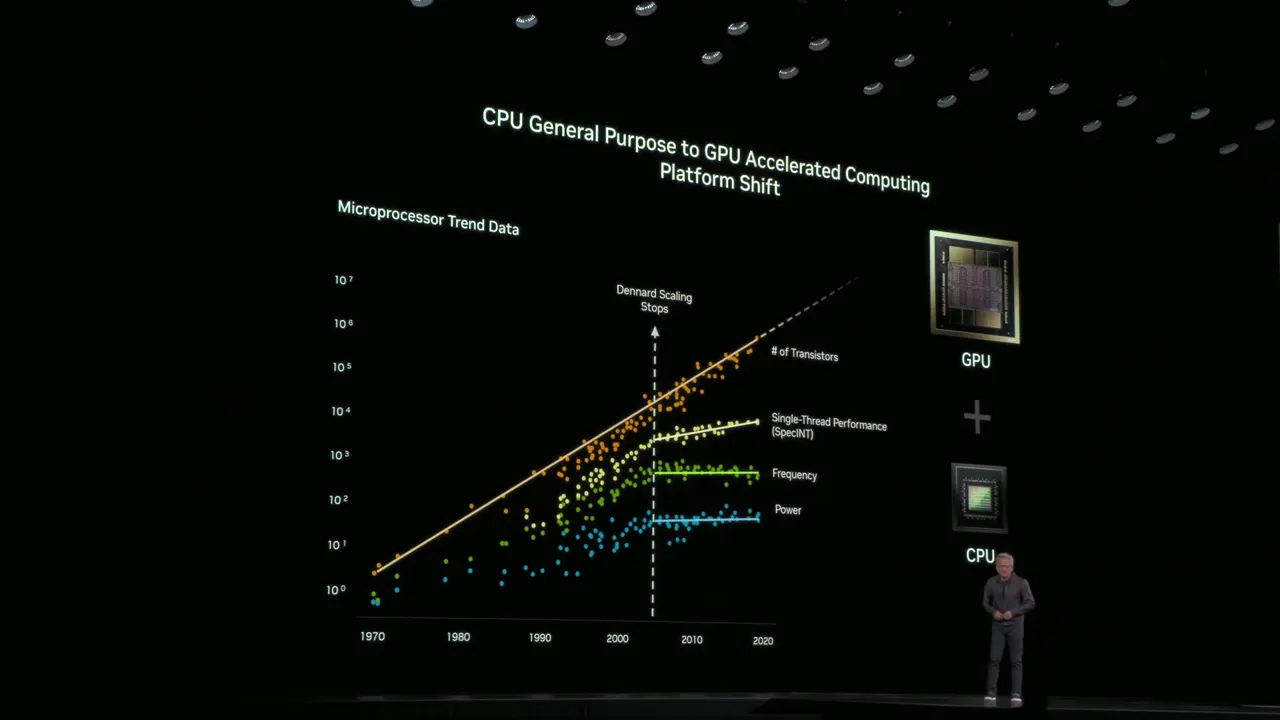
At the GTC Washington D.C. conference, Jensen Huang underscored that we are currently navigating two major platform transformations. This necessity for transformation stems directly from the erosion of Moore's Law and Dennard Scaling, meaning conventional chip architectures can no longer satisfy the relentless demand for exponential growth in computing performance.
Extreme Co-Design Strategy
NVIDIA’s ‘Extreme Co-Design’ is the critical answer to these challenges. It achieves disruptive, exponential performance leaps—moving far beyond incremental 25% or 50% gains—through end-to-end co-design. This holistic approach spans everything from foundational chips, systems, and novel computing architectures, up to higher-level software, new models, and new applications.
Jensen Huang on Stage
CPU General Computing GPU Accelerated Computing Trend
This chart vividly illustrates the shift from the stagnating performance trajectory of CPU general computing to the rapidly accelerating performance curve of GPU-based systems, a transition crucial for meeting modern computational demands.
NVIDIA CUDA: The Treasure of Accelerated Computing
NVIDIA's three-decade history of driving Accelerated Computing underscores the enduring importance of GPUs and the CUDA programming model. CUDA, along with its programming models and library ecosystem, is rightly considered NVIDIA’s ‘treasure.’ Hundreds of millions of GPUs worldwide are fully compatible with the CUDA software, which has iterated up to CUDA 13, with CUDA 14 rapidly approaching.
NVIDIA has engineered over 350 libraries, each fundamentally reshaping algorithms for accelerated computing, thereby empowering ecosystem partners and unlocking vast new markets. Key examples include:
- CuLitho: A computational lithography library utilized by industry giants like TSMC, Samsung, and ASML.
- cuOpt: A high-performance numerical optimizer.
- cuDNN: The seminal library that effectively ushered in the AI era.
- MONAI: A dedicated AI framework for medical imaging.
AI: The Core of a New Industrial Revolution
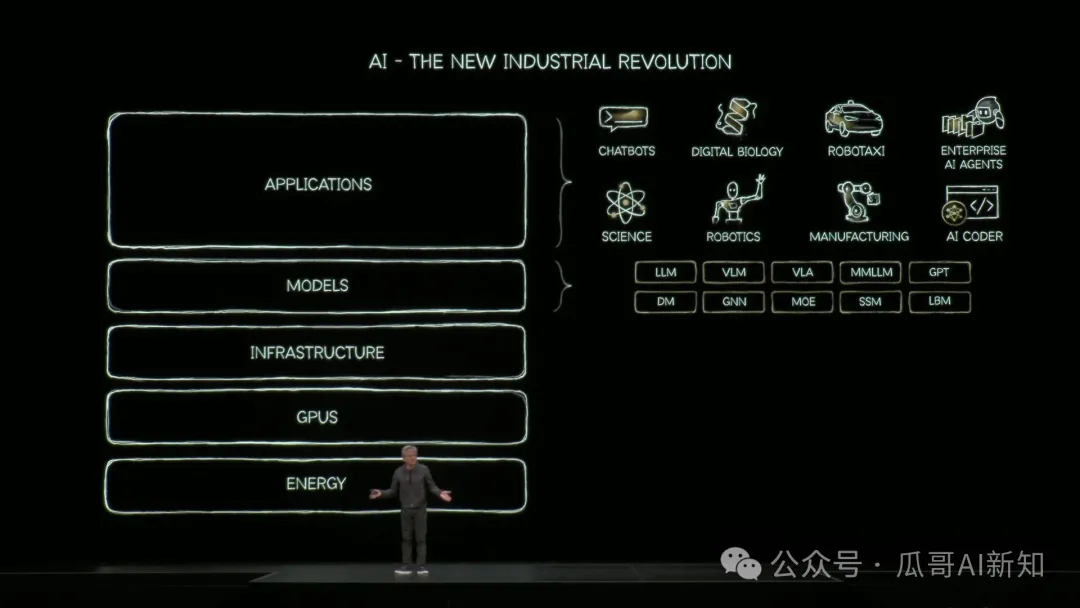
AI is rightly perceived as the nucleus of a new industrial revolution, extending far beyond mere chatbots. It is fundamentally restructuring the entire computing stack, starting from energy demands and moving up to GPUs, infrastructure, GPU supercomputers, and culminating in the generation of Tokens.
"AI is not a tool, but a worker." - Jensen Huang
This profound insight emphasizes AI's capability to use tools and its potential to deeply penetrate the $100 trillion global economic sphere that the IT industry has historically never touched.
AI Development in "Turbocharged" Mode:
The development cycle is accelerating rapidly, encompassing:
- Pre-training: The necessary stage of building foundational models.
- Post-training: Crucial steps involving fine-tuning and alignment.
- Thinking/Inference: The operational phase that places a massive and growing burden on computing infrastructure.
The emergence of increasingly intelligent models has driven an exponential increase in AI usage, initiating a "virtuous cycle." Last year marked a critical inflection point, as models became intelligent enough to justify the financial investment required to utilize them.
AI Computing Stack Overview
Blackwell & Rubin Platforms: AI Factory Core Drivers
Extreme Co-Design for Exponential Performance
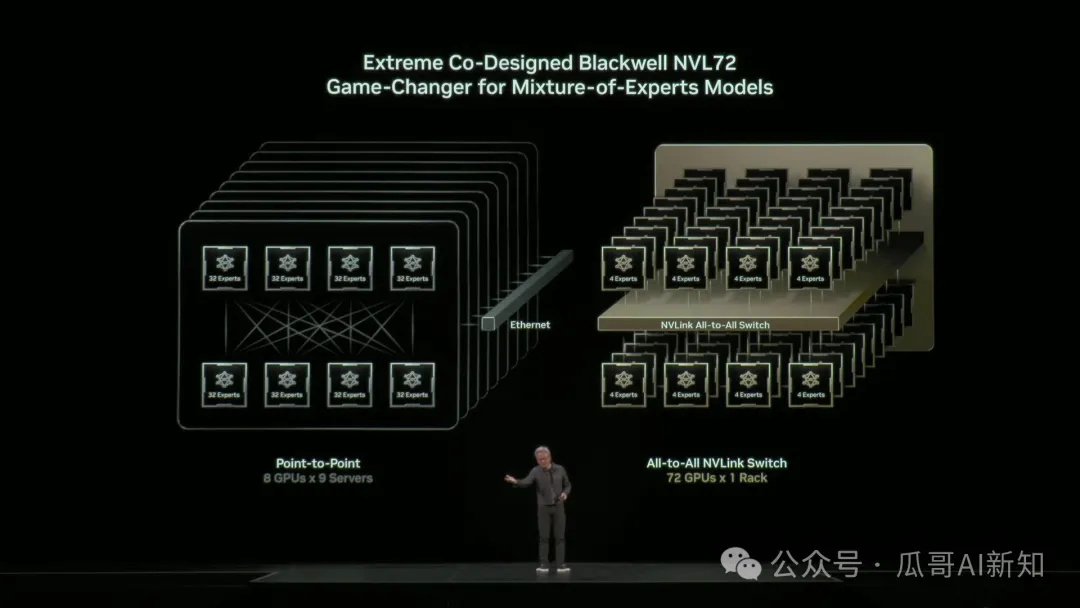
NVIDIA's "Extreme Co-Design" delivers disruptive performance improvements that represent an exponential leap. The Grace Blackwell platform showcases significant performance advantages, particularly in complex AI models like Mixture-of-Experts. SemiAnalysis benchmarks, for instance, demonstrate that its per-GPU performance is an astounding 10 times that of H200.
Key Validation: This result powerfully validates the "Extreme Co-Design" philosophy, proving its ability to achieve 10 times the performance and 10 times the cost-effectiveness in Token generation.
"The world's lowest-cost Token is precisely generated by the world's most expensive computer – the Grace Blackwell NVLink 72."
NVLink Architectures Comparison
Financial Outlook & Strong Market Demand for Blackwell/Rubin
NVIDIA management disclosed that the early production ramp-up for the Blackwell and Rubin platforms has already secured accumulated orders totaling $500 billion by the end of 2026. In the initial quarters of production alone, 6 million Blackwell chips have been shipped. The locked-in orders for the next 5 quarters amount to $500 billion, signaling a growth rate that is 5 times faster than the Hopper generation.
To put this into perspective, Hopper shipped 4 million GPUs (excluding China) over its entire lifecycle. In contrast, Blackwell (where each superchip contains 2 GPU cores) is projected to see early-stage shipments of 20 million chips. This exceptionally strong demand view suggests higher requirements for CoWoS capacity, necessitating an increase to 130k wpm (wafers per month), which is +13% higher than previous estimates.
Market Analyst Interpretations of the $500bn Figure:
Motivation: NVIDIA’s detailed 2026 outlook appears designed to proactively address recent market concerns about a potential AI infrastructure bubble, effectively demonstrating that the demand for its AI chips is based on real, robust market requirements.
NVIDIA Blackwell/Rubin Demand View
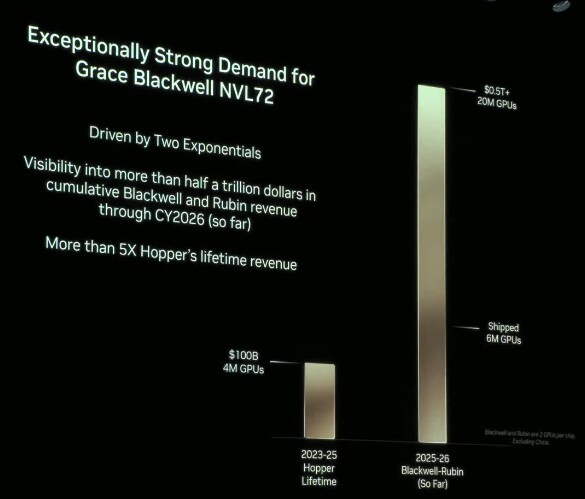
Blackwell/Rubin vs. Hopper Lifecycle Comparison
This table contrasts the two NVIDIA GPU architectures, Hopper and Blackwell/Rubin, by comparing projected revenue and chip shipments over their respective lifecycles. The data highlights that Blackwell/Rubin exhibits significantly higher revenue and shipment velocity, underscoring the exponential growth of the new architectures.
Blackwell Manufacturing Process & The Rise of Reindustrialization
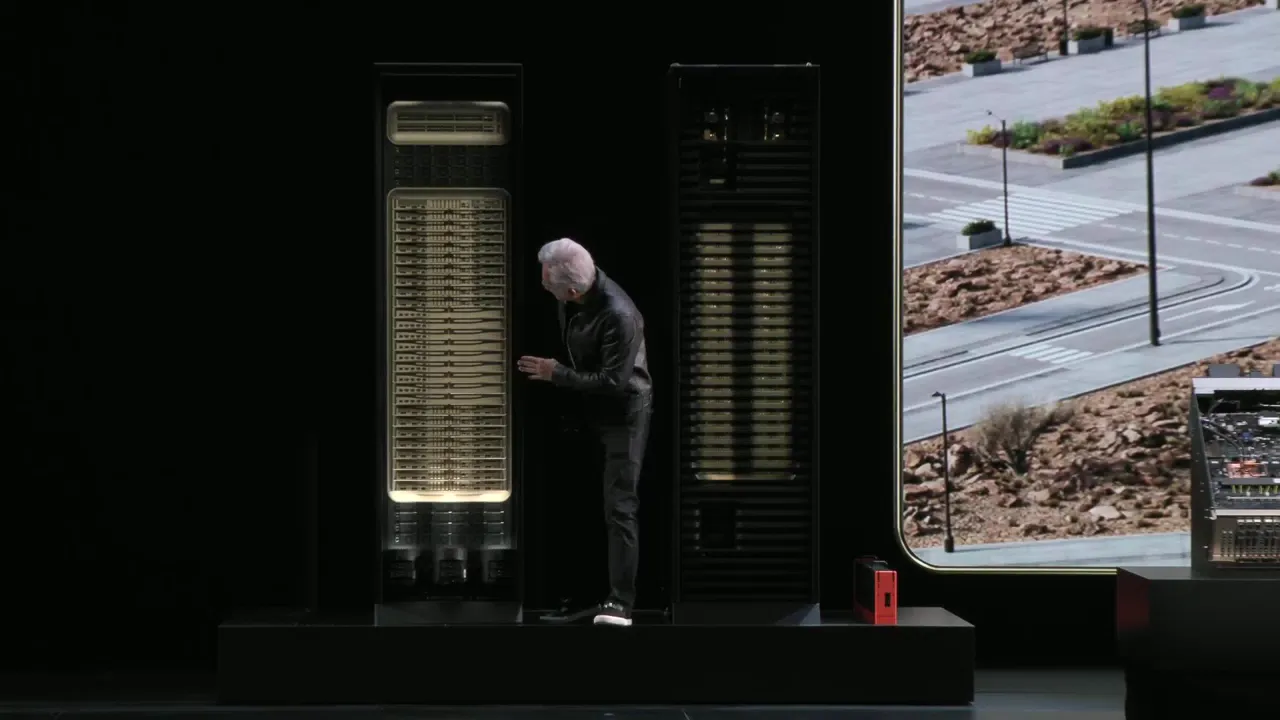
NVIDIA’s manufacturing video showcased the intricate Blackwell production process, explicitly highlighting “Made in America” and the burgeoning wave of reindustrialization. This complex sequence involves sophisticated steps, from silicon wafers to final rack assembly, culminating in a single AI supercomputer weighing nearly 2 tons.
Blackwell Silicon Wafer Production
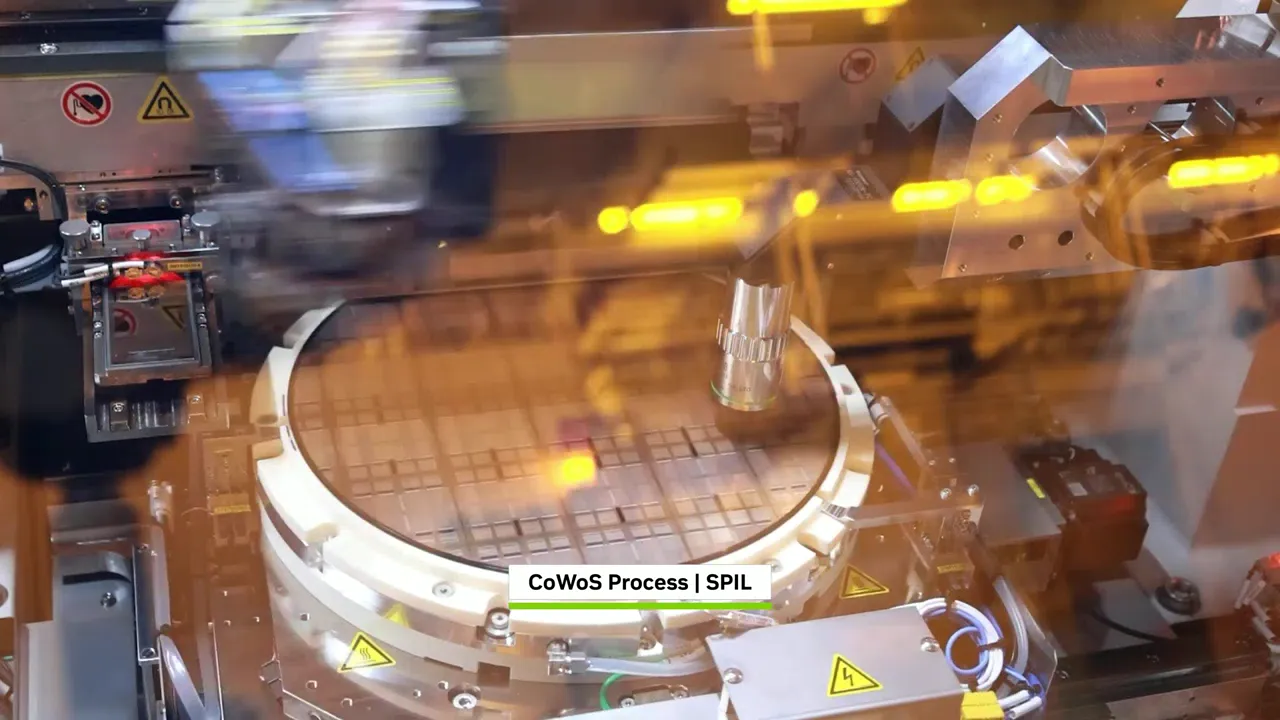
Advanced Packaging & Interconnect
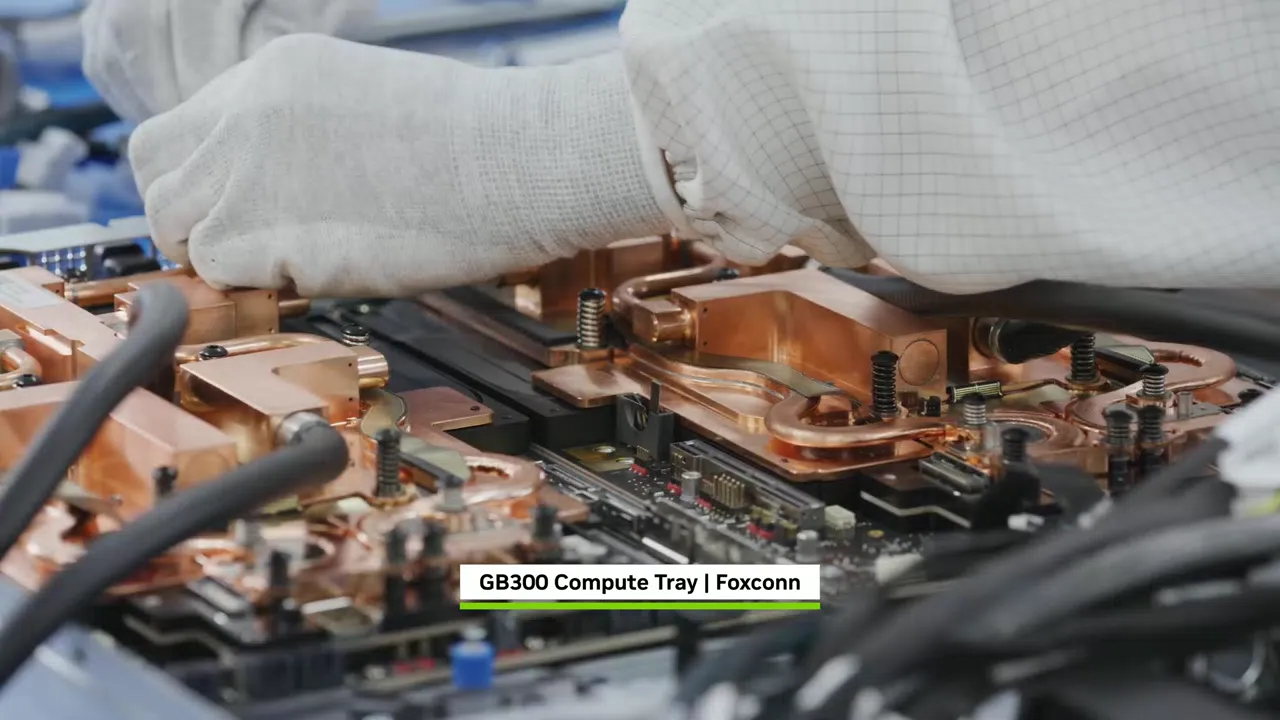
Grace Blackwell PCB Component Assembly
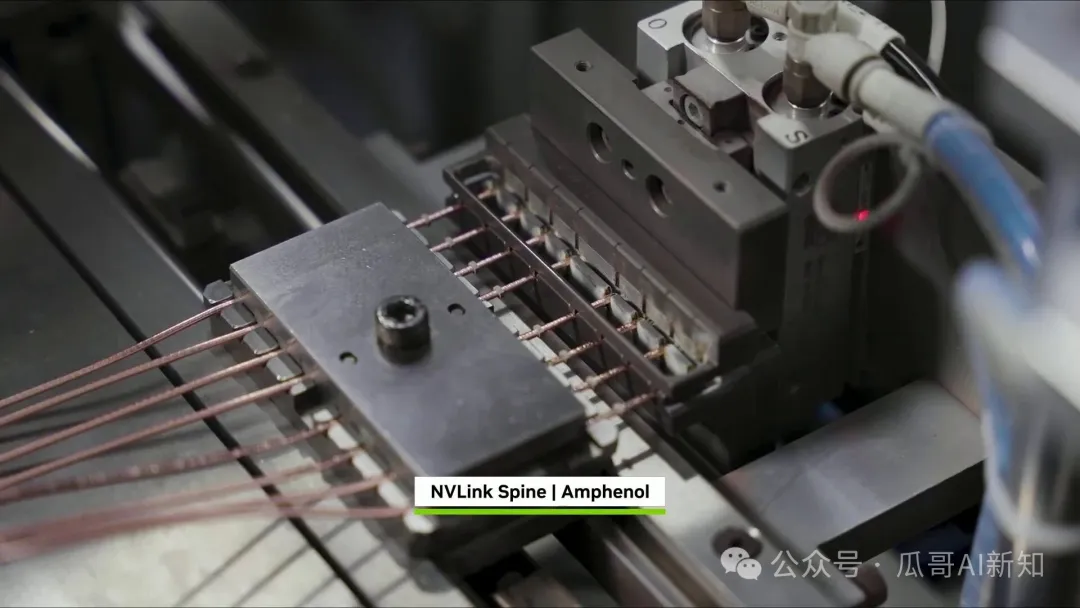
NVLink Backbone Network Cable
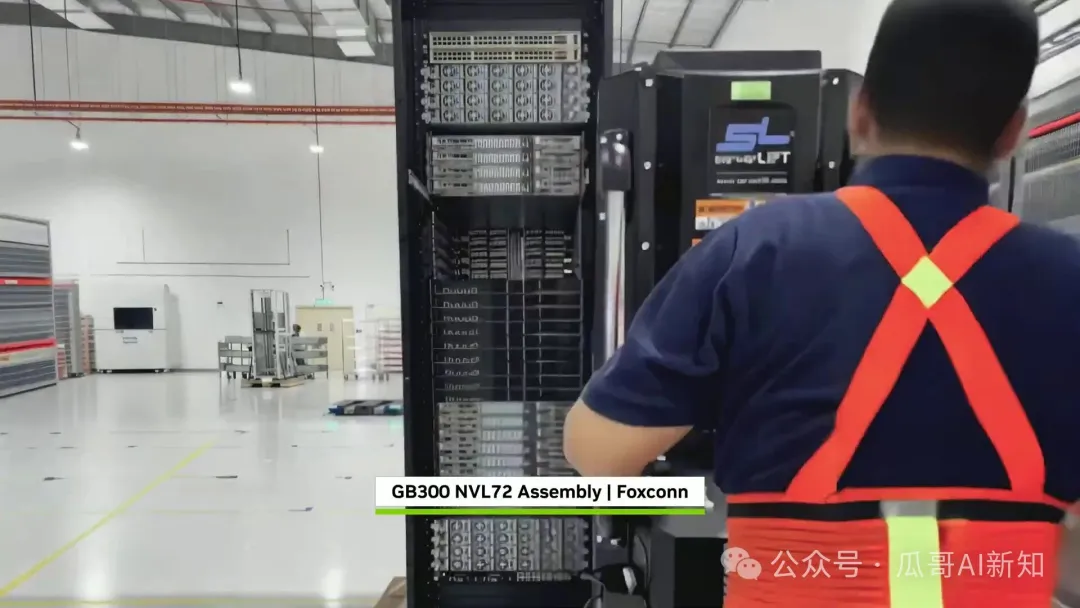
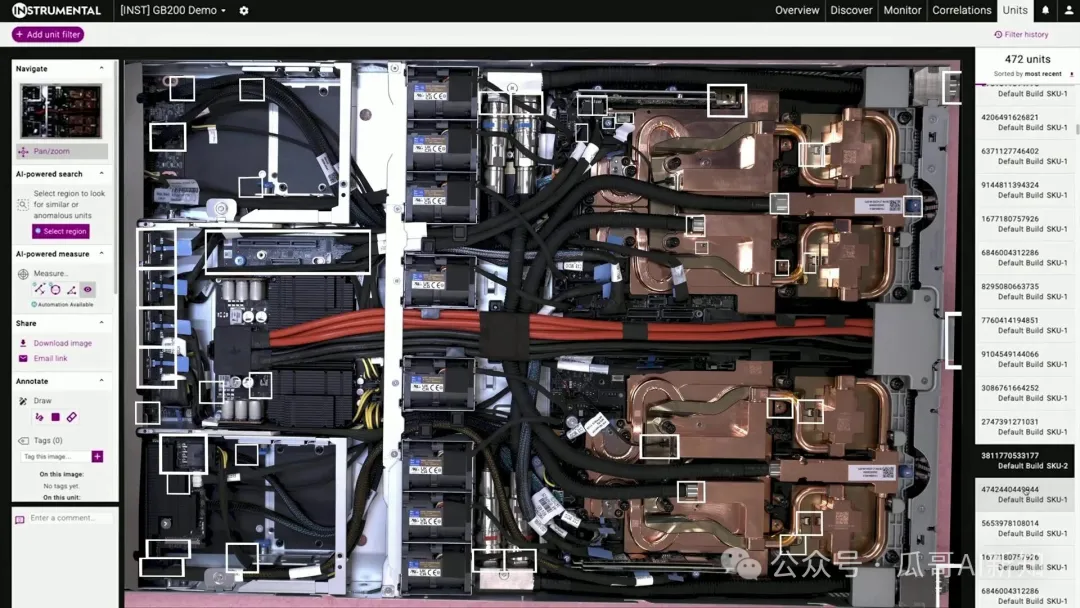
GB300 NVL72 Rack Assembly
Rack-Level AI Supercomputer Details
A single GB300 NVL72 rack is an engineering marvel:
- It contains 1.2 million components.
- It utilizes 2 miles of copper cabling.
- It houses 130 trillion transistors.
- Its total weight is nearly 2 tons.
Rubin Platform: The Next Generation
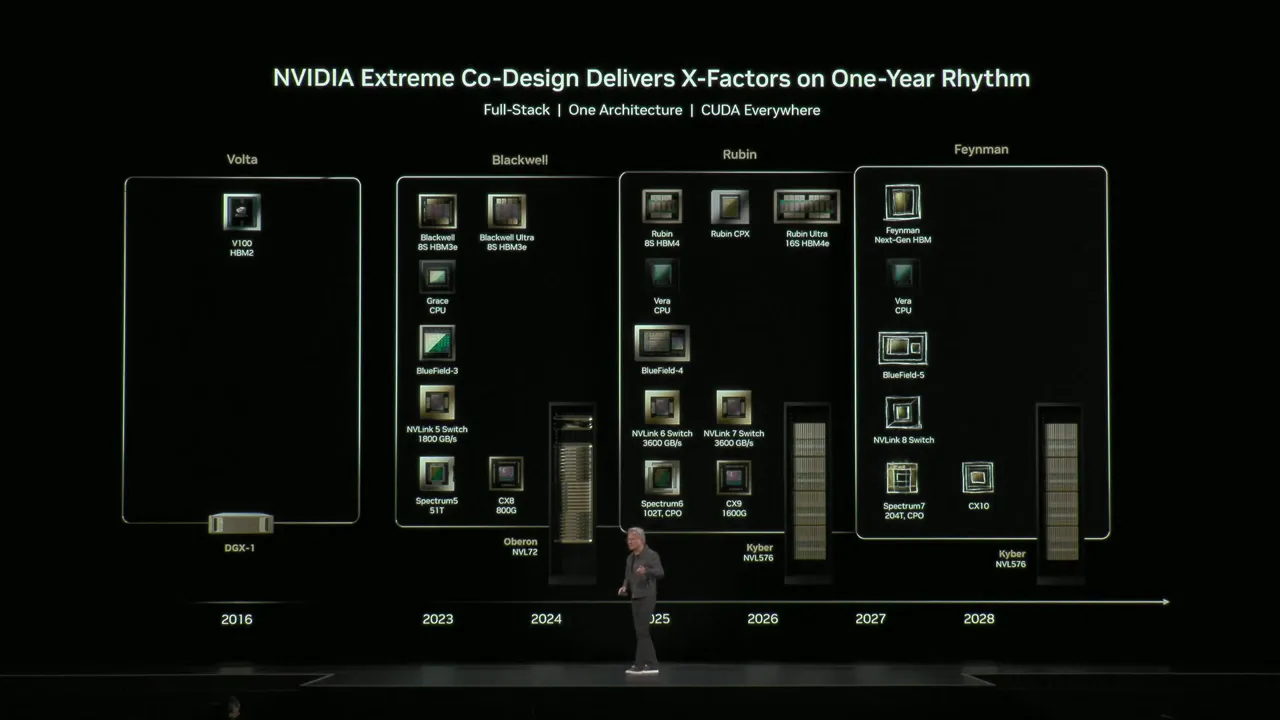
NVIDIA introduced the next-generation Rubin platform, named after the pioneering astronomer Vera Rubin. Rubin is the third-generation NVLink 72 rack-scale computer, distinguished by a fully cable-free design and 100% liquid cooling.
Expected to enter production next year, NVIDIA’s strategy is to release an extreme co-designed system annually, relentlessly boosting performance and driving down Token generation costs. Rubin's computing power soars up to 100 Petaflops, representing a 100-fold increase over the performance of the DGX-1 delivered to OpenAI a decade ago.
Rubin Platform Components & Connectivity
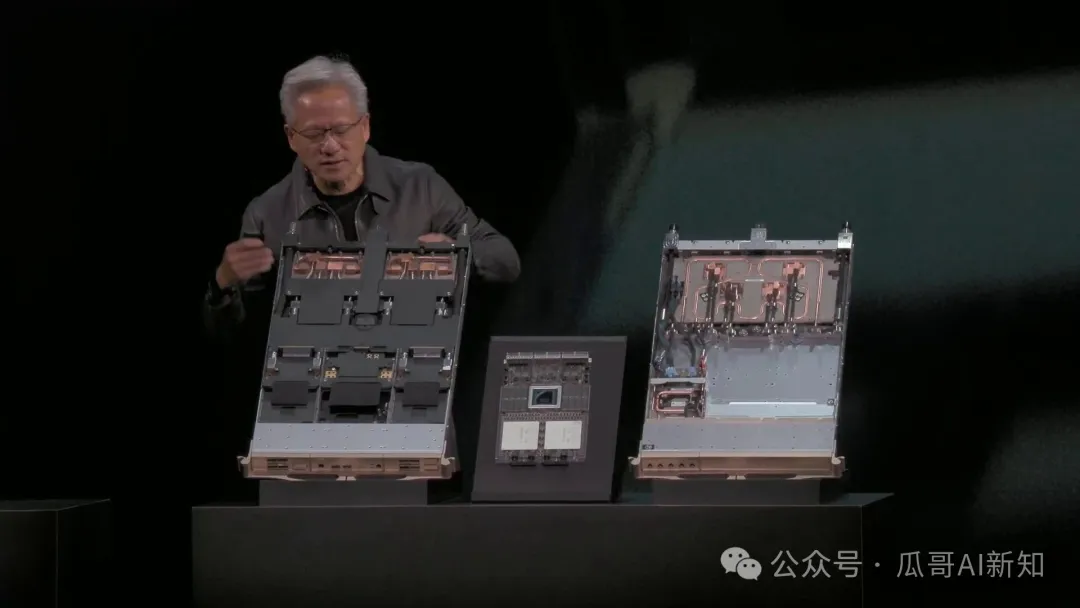
Vera Rubin Compute Tray
- Includes 8 ConnectX-9 Super NICs.
- Features 8 CPX Context Processors.
- Integrates 1 Bluefield-4 DPU (a revolutionary processor designed to handle the increasingly massive KV cache).
- Contains 2 Vera CPU and 4 Rubin units (i.e., 8 Rubin GPUs).
Advanced Network Connectivity
The NVLink switch connects all compute nodes, achieving bandwidth several times the peak traffic of the global internet. The Spectrum-X switch employs cutting-edge silicon photonics and full co-packaged optics technology, specifically engineered to eliminate network congestion.
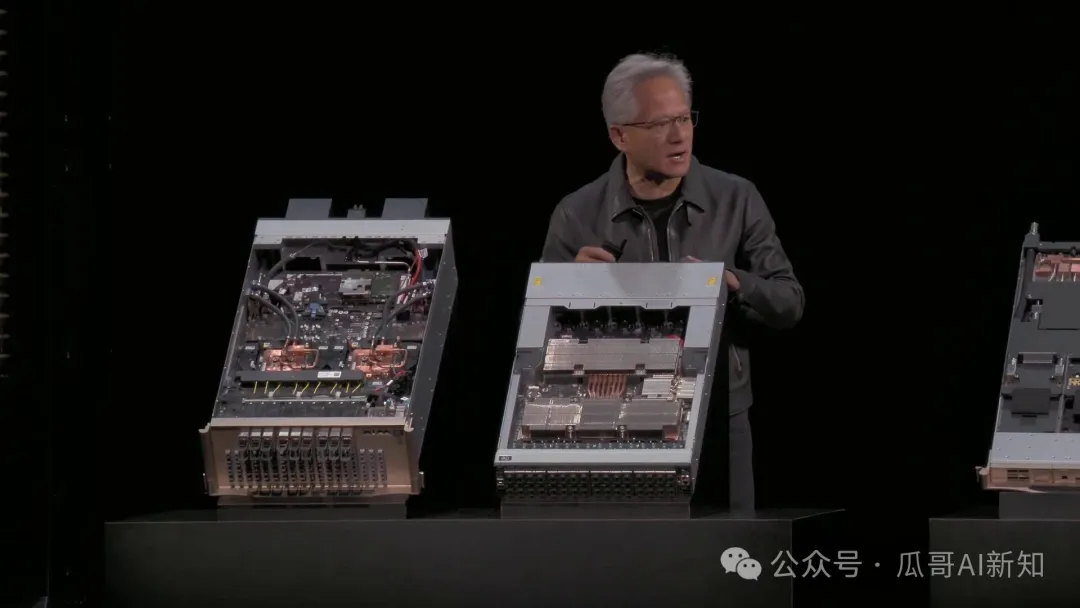
AI Supercomputer Rack: A single rack of this AI supercomputer weighs 2 tons, contains 1.2 million components, and its backbone network transfers data at a rate equivalent to the entire global internet's traffic in 1 second, all while utilizing 100% liquid cooling.
NVIDIA Ecosystem Expansion & Industry Empowerment
6G Communication & AI-RAN: Reshaping Telecom
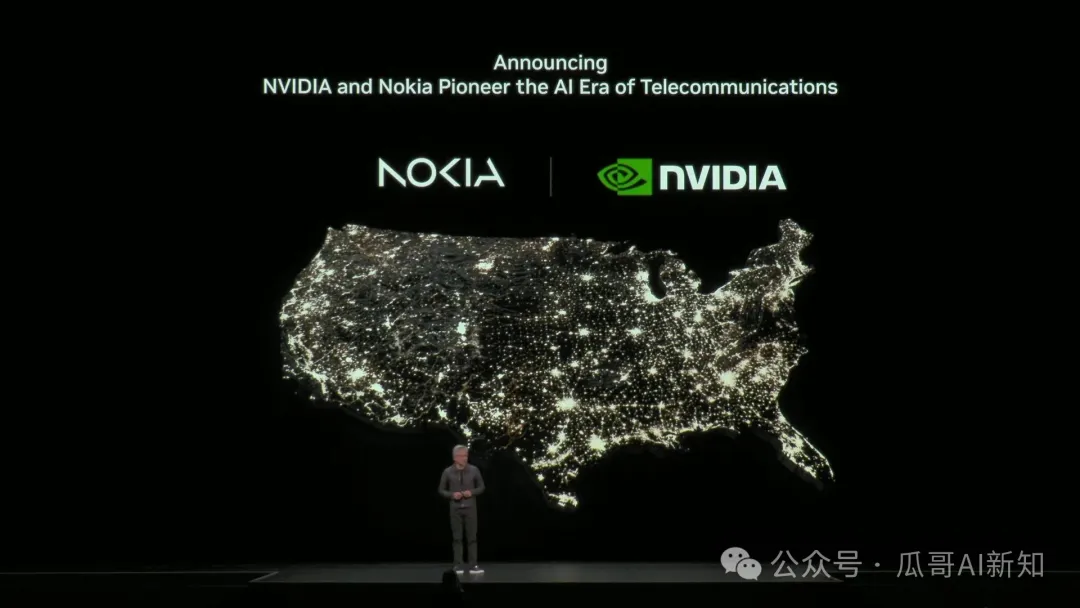
Jensen Huang highlighted the telecom industry as a massive $3 trillion market opportunity, asserting that the current platform transformation offers a prime opportunity for the US to re-enter and lead innovation in this space. NVIDIA announced a significant partnership with Nokia, the world's second-largest telecom equipment manufacturer. Morgan Stanley further noted that NVIDIA will invest $1 billion to acquire a 2.9% stake in Nokia's common stock.
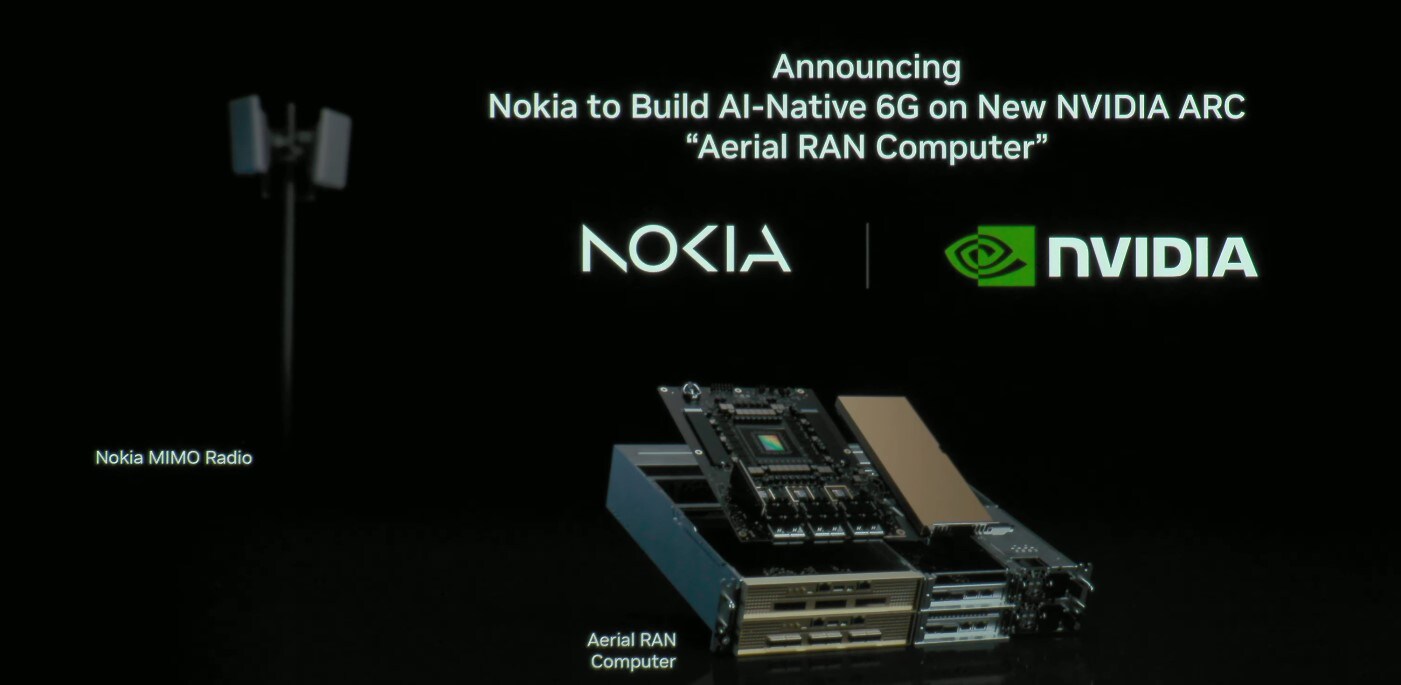
NVIDIA ARC (Aerial RAN Computer)
NVIDIA launched a brand-new product line: NVIDIA ARC (Aerial RAN Computer). This platform, built upon the Grace CPU, Blackwell GPU, and ConnectX networking specifically designed for wireless applications, is essentially a wireless communication system running on CUDA X. This marks the creation of the first truly software-defined, programmable computer capable of handling both wireless communication and AI simultaneously.
Nokia will adopt NVIDIA ARC as its future base station platform. Crucially, it is compatible with Nokia's existing Airscale base stations, enabling upgrades for millions of existing base stations globally. Morgan Stanley projects this specific market opportunity could reach a cumulative $200 billion by 2030. T-Mobile is scheduled to begin testing ARC-Pro next year.
6G & AI Combination: Two Aspects
The convergence of 6G and AI operates on two fundamental fronts:
- AI for RAN: Utilizing AI to significantly enhance the spectrum efficiency of wireless communication. Given that global wireless communication consumes approximately 1.5% to 2% of all electricity, improving spectrum efficiency allows for increased throughput without escalating energy consumption.
- AI on RAN: Empowering telecom networks with sophisticated cloud computing capabilities, thereby forming an industrial robot cloud at the network edge.
Quantum Computing & GPU Collaboration: NVQ-Link
Jensen Huang recalled physicist Richard Feynman's 1981 vision of quantum computers, noting that fundamental breakthroughs in logical qubits only occurred last year. Logical qubits require dozens or hundreds of physical qubits to cooperate, and quantum bits themselves are inherently fragile.
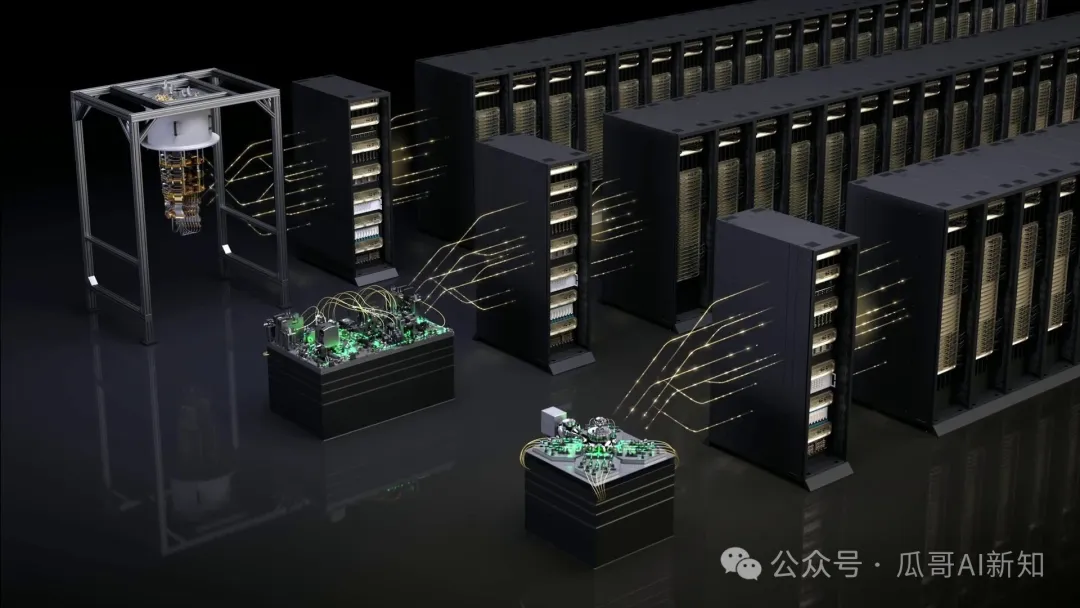
NVIDIA officially unveiled NVQ-Link, a novel interconnect architecture designed to directly link quantum processors with NVIDIA GPUs. This architecture enables data transfer between quantum hardware and GPUs at speeds of several terabytes per second (TB/s) thousands of times, meeting the demanding speed requirements for quantum error correction.
QPU-GPU Collaborative Computing
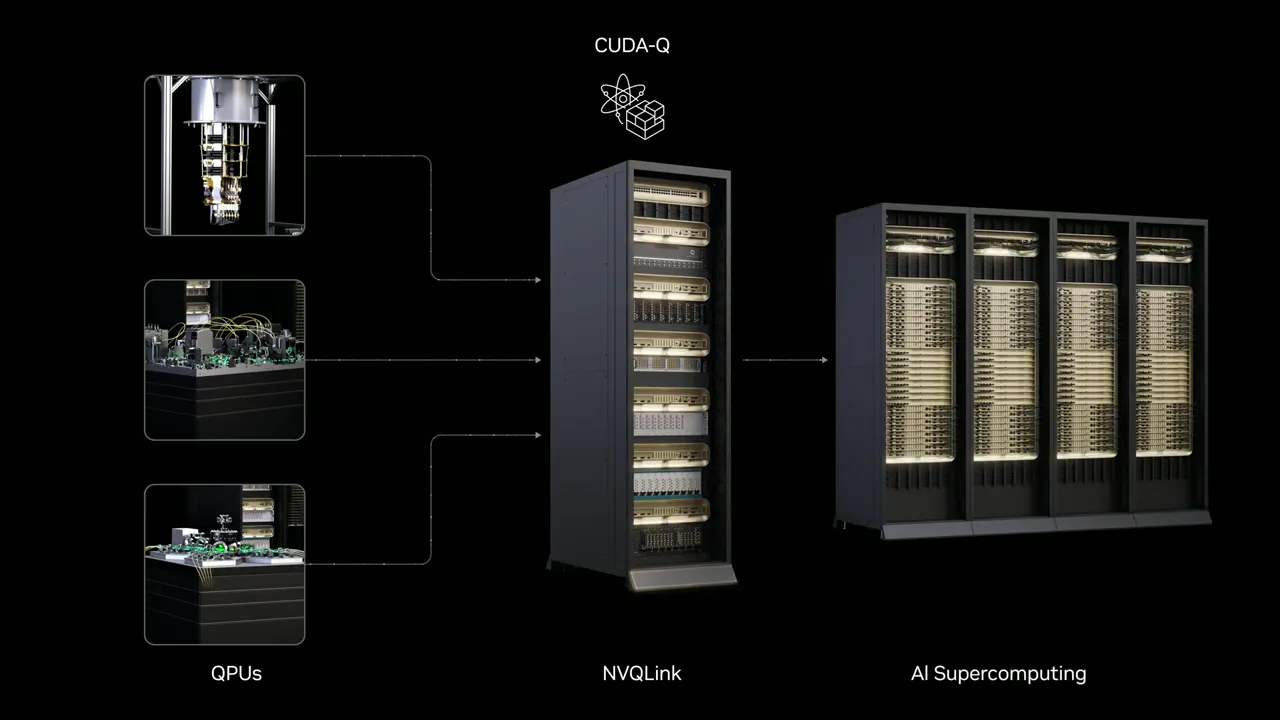
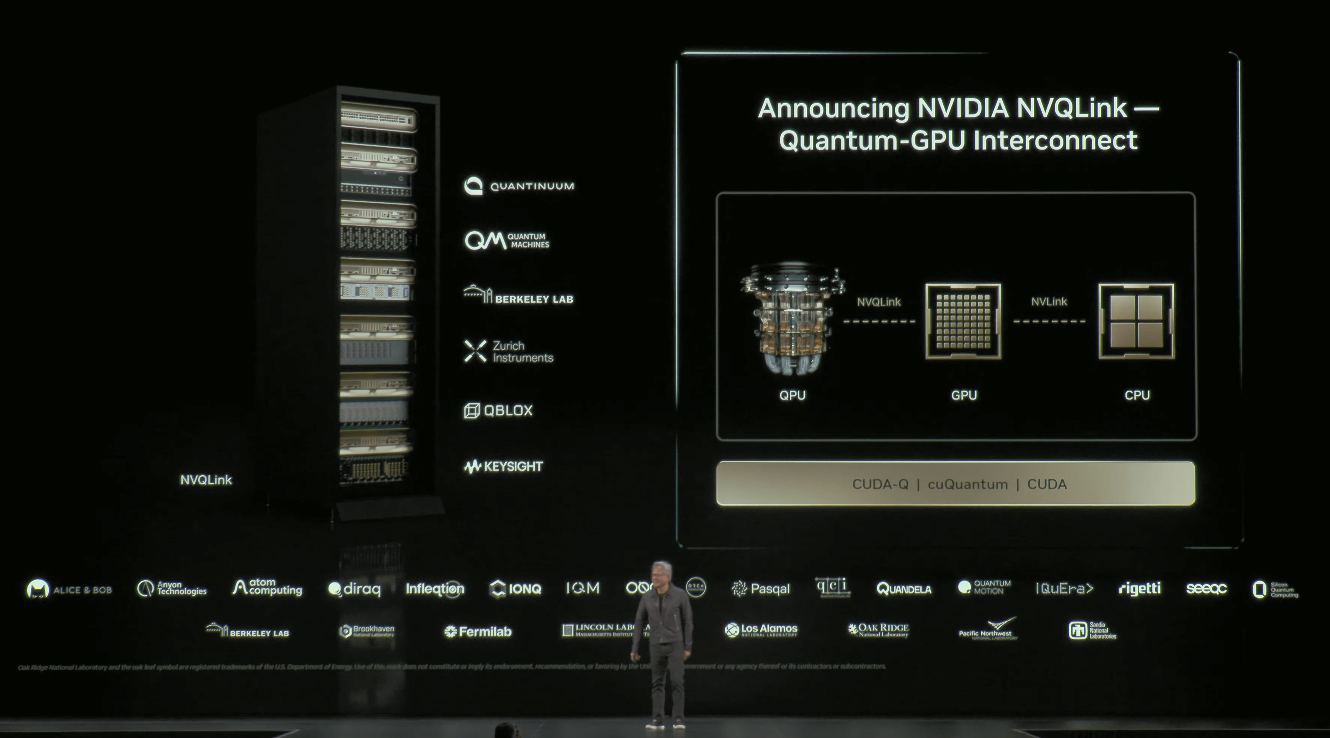
The core technology here is CUDA-Q, an open platform originally built for quantum-GPU computing, now extended to support QPUs, allowing the QPU and GPU to collaborate with microsecond-level latency. NVQ-Link is fully scalable, capable of expanding current quantum computers with hundreds of qubits to tens or hundreds of thousands in the future.
Morgan Stanley and Citi noted that 17 companies in the quantum computing industry support NVQ-Link, alongside 8 US Department of Energy (DOE) national laboratories, including Berkeley and Brookhaven, which are participating in the collaboration.
Physical AI: Robotics & Autonomous Driving
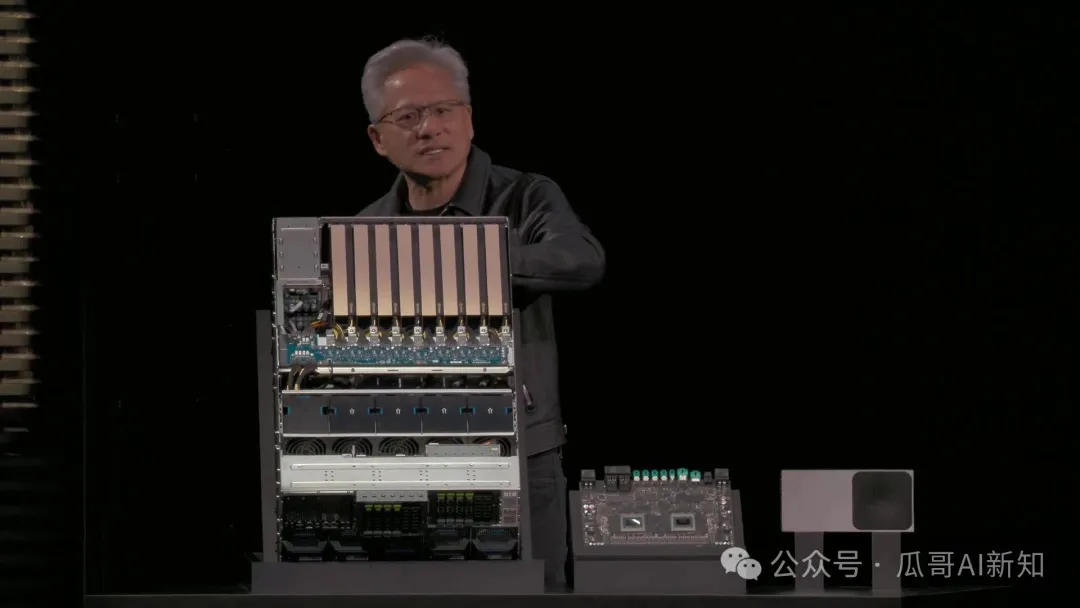
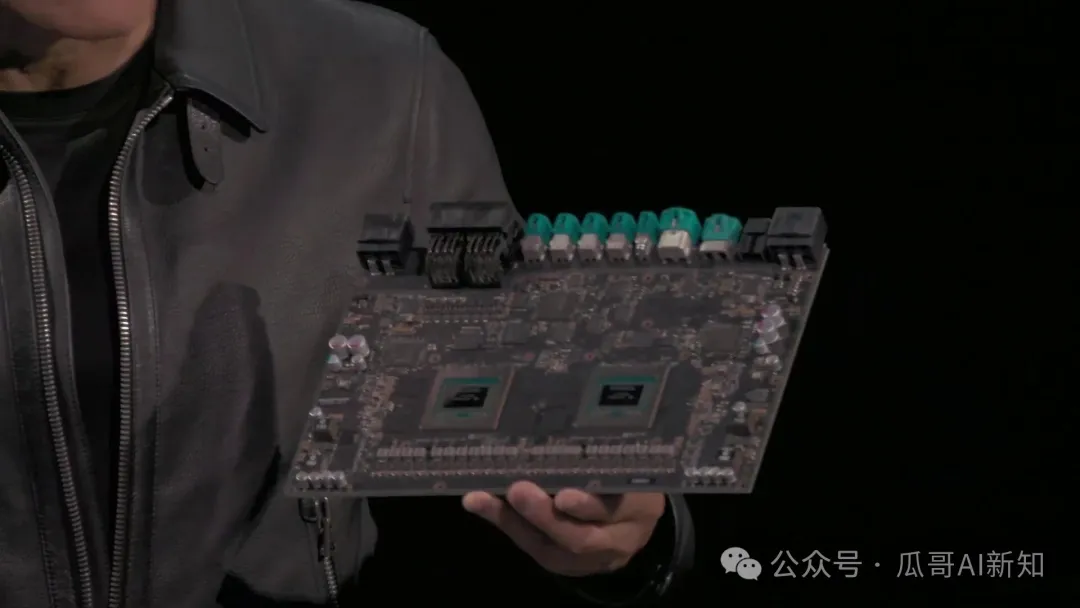
Physical AI requires a triumvirate of computing units: training units (GB200 NVL72), simulation units (Omniverse computing units), and robot computing units (Jetson Thor).
Omniverse Computing Unit (RTX Pro Server)
Jetson Thor Robot Computing Platform
Robotics Collaborations
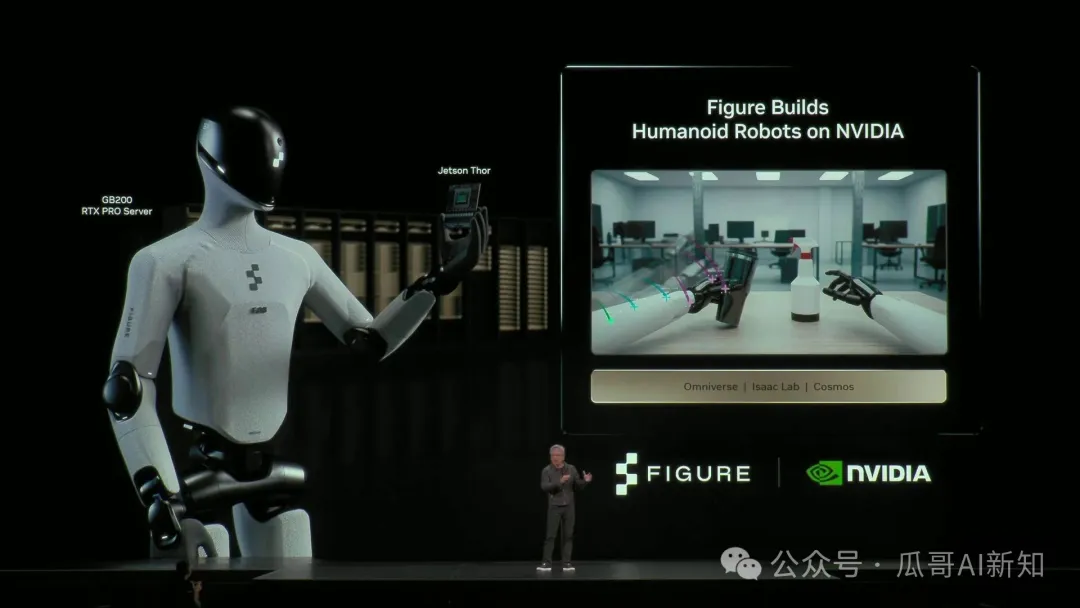
- Figure: The humanoid robot company, valued at nearly $4 billion, relies on NVIDIA's computing platform.
- Agility: Developing robots specialized for warehouse automation.
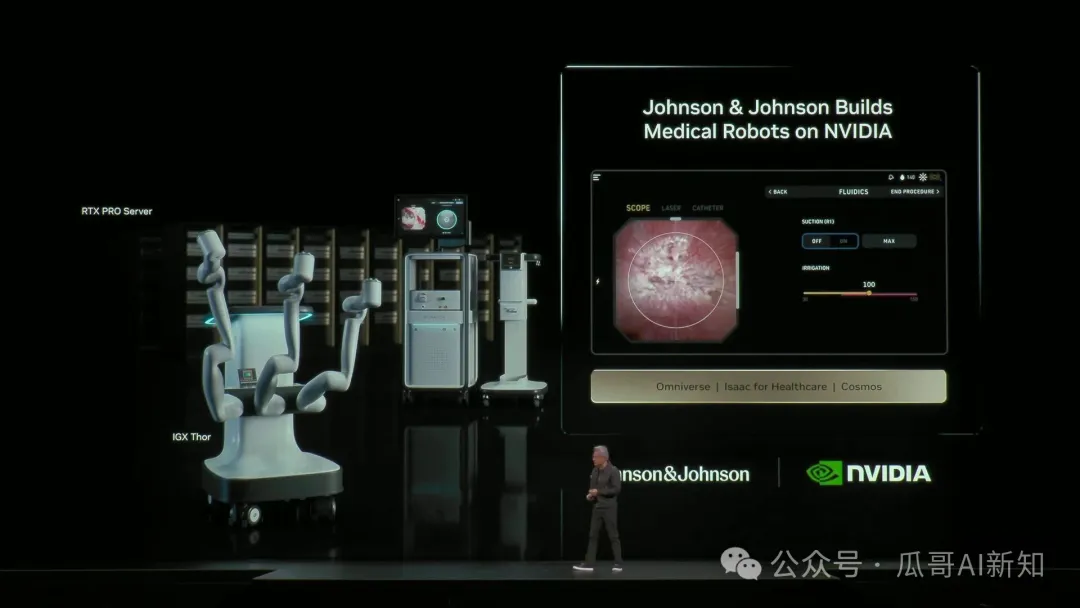
- Johnson & Johnson: Training, simulating, and operating surgical robots within digital twins.
- Disney Research: Collaborating on a simulation platform based on Newton technology for advanced robot learning.
Figure Humanoid Robot
Johnson & Johnson Medical Robot
Autonomous Driving Taxis (RoboTaxi)
The RoboTaxi is, at its core, an AI driver. NVIDIA released the NVIDIA Drive Hyperion platform, enabling global automotive companies to manufacture "RoboTaxi-ready" vehicles. Leading manufacturers like Lucid, Mercedes-Benz, and Stellantis have already adopted Drive Hyperion.
NVIDIA has partnered with Uber to connect cars equipped with NVIDIA Drive Hyperion to a global network, significantly expanding the scale of Level 4 autonomous driving mobile networks. Morgan Stanley and Citi indicate that Uber plans to scale up its fleet starting in 2027, targeting 100,000 vehicles.
Uber-NVIDIA Drive Hyperion Collaboration
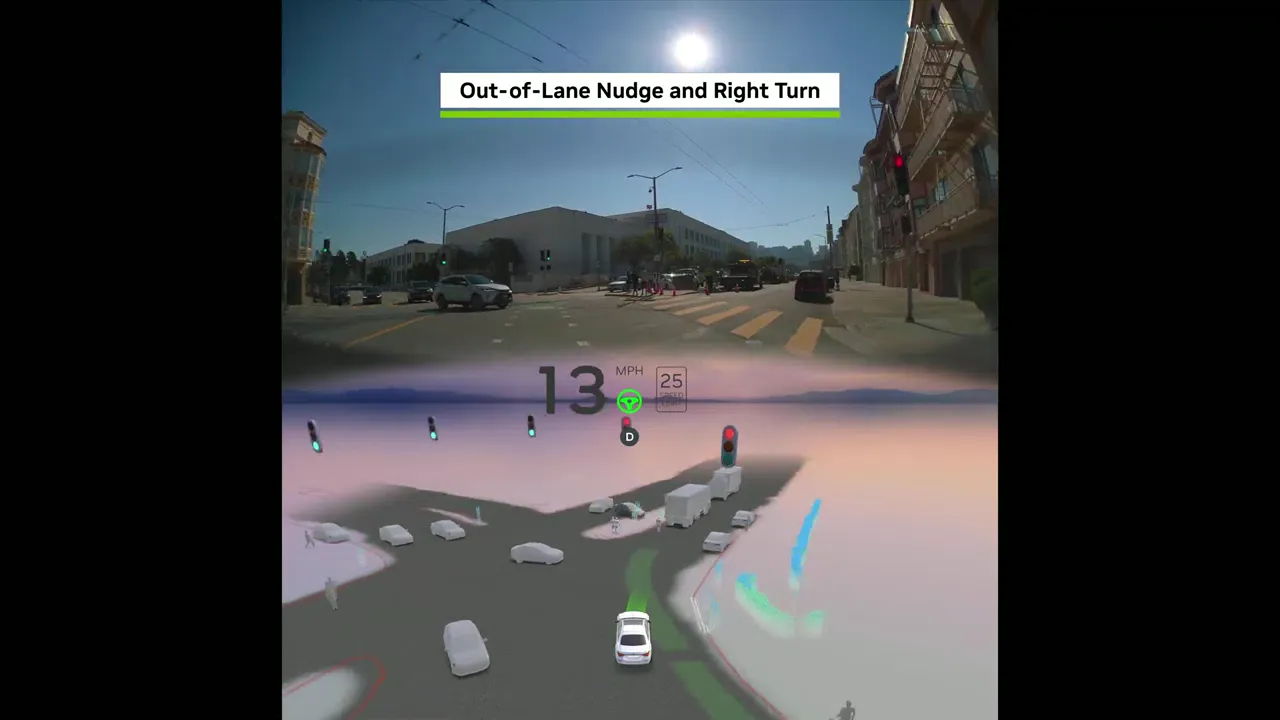
Looking ahead, there will be trillions of miles driven annually, 100 million cars produced each year, and approximately 50 million taxis globally are expected to be augmented or replaced by RoboTaxi systems.
Enterprise AI & Digital Twin Factories
Open-Source Models & SaaS Integration
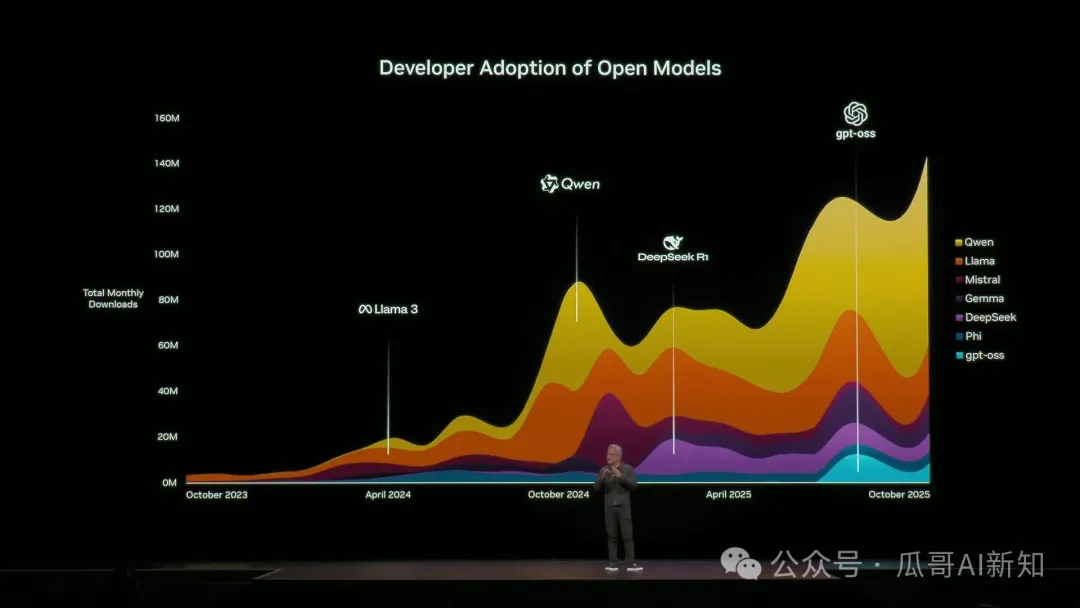
Open-source models are essential tools for developers, and NVIDIA is a leading contributor, boasting 23 models on the leaderboard. NVIDIA is integrating its libraries into global SaaS services, aiming to eventually empower every SaaS offering with intelligent agent capabilities.
Open-Source Model Developer Adoption
- Partnerships include ServiceNow, SAP, Synopsys, and Cadence.
- NVIDIA announced collaboration with CrowdStrike to accelerate cybersecurity to near light speed.
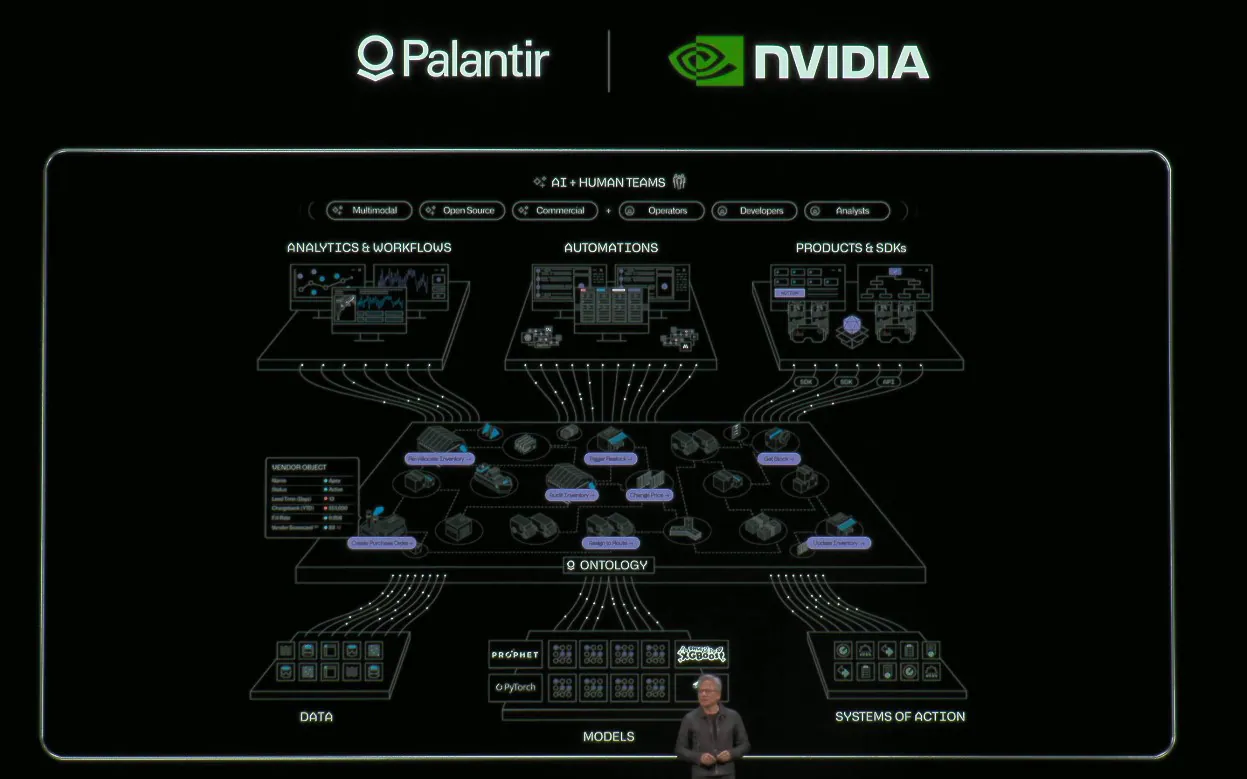
- NVIDIA partnered with Palantir Ontology to accelerate workflows and provide crucial insights for government, national security, and enterprise clients.
Palantir-NVIDIA Collaboration Diagram
The AI Factory Concept
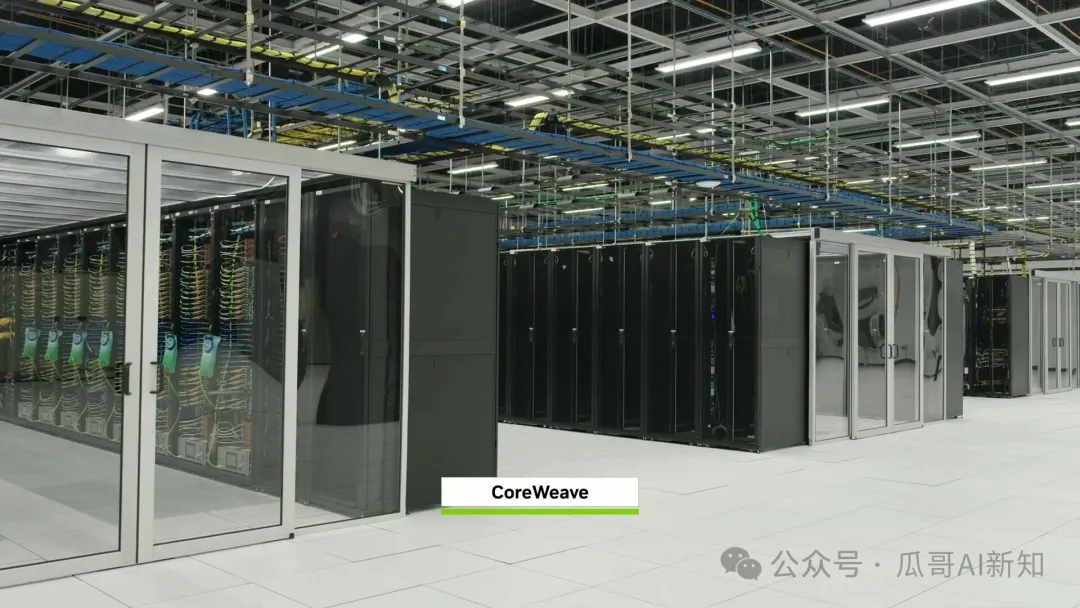
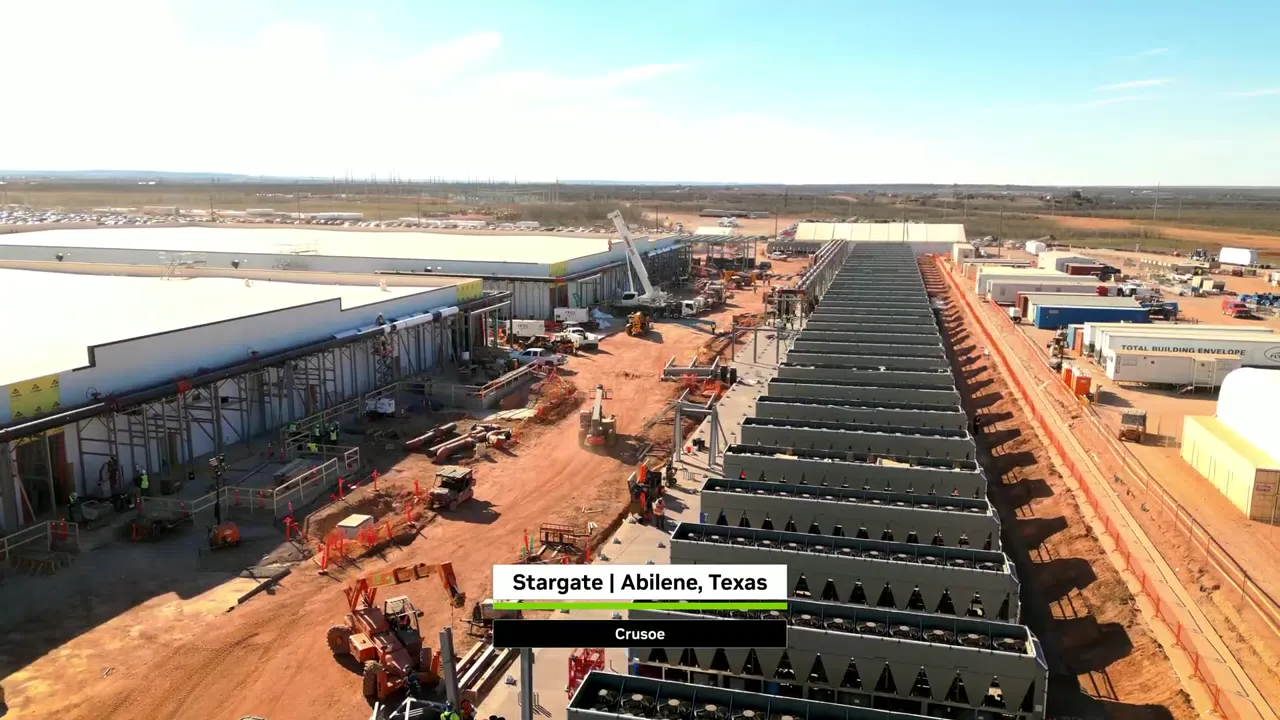
The AI factory is a novel system specifically engineered to produce intelligent Tokens as efficiently and cost-effectively as possible, at incredible speed. A Gigawatt-level data center is projected to require approximately 8,000 such racks.
AI Factory Concept Diagram
NVIDIA Omniverse DSX & Digital Twin Factories
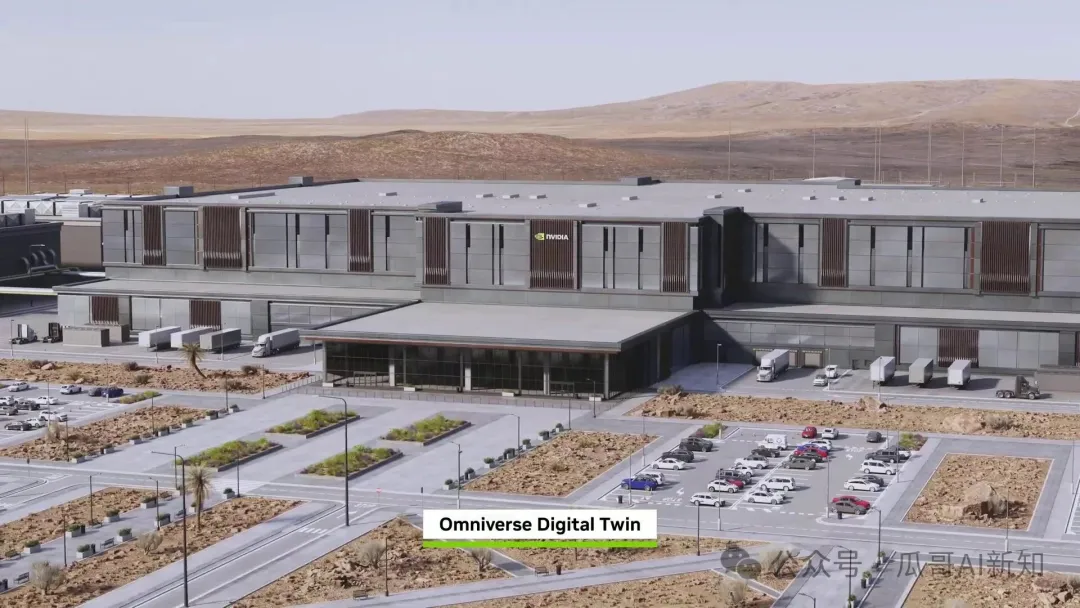
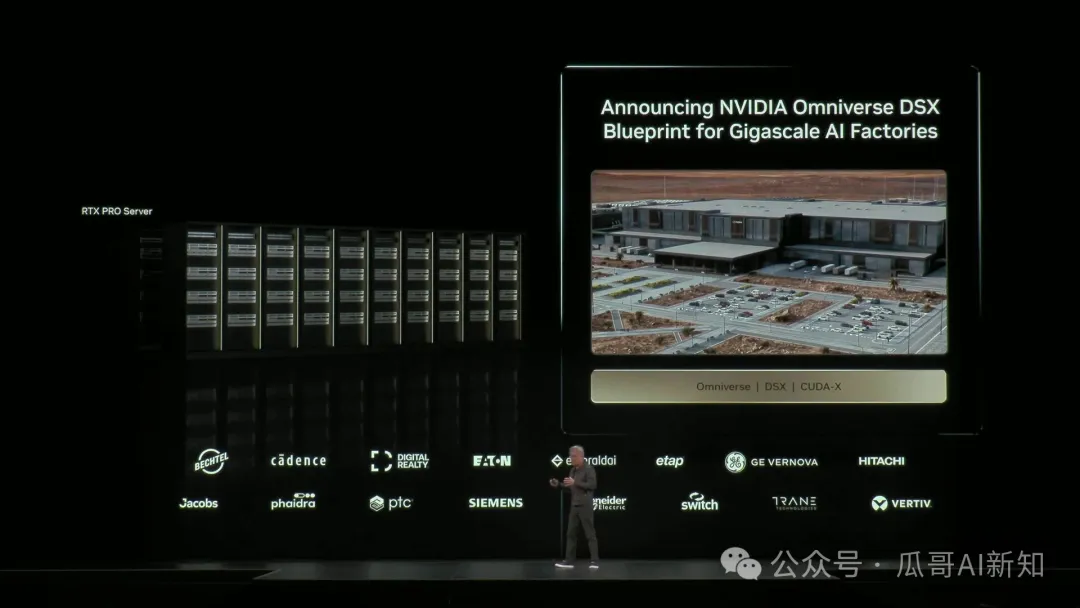
NVIDIA Omniverse DSX serves as the digital blueprint for building and operating Gigawatt-scale AI factories. For the first time, it synergistically designs architectural, power, and cooling systems alongside NVIDIA's AI infrastructure stack.
Omniverse DSX Partners
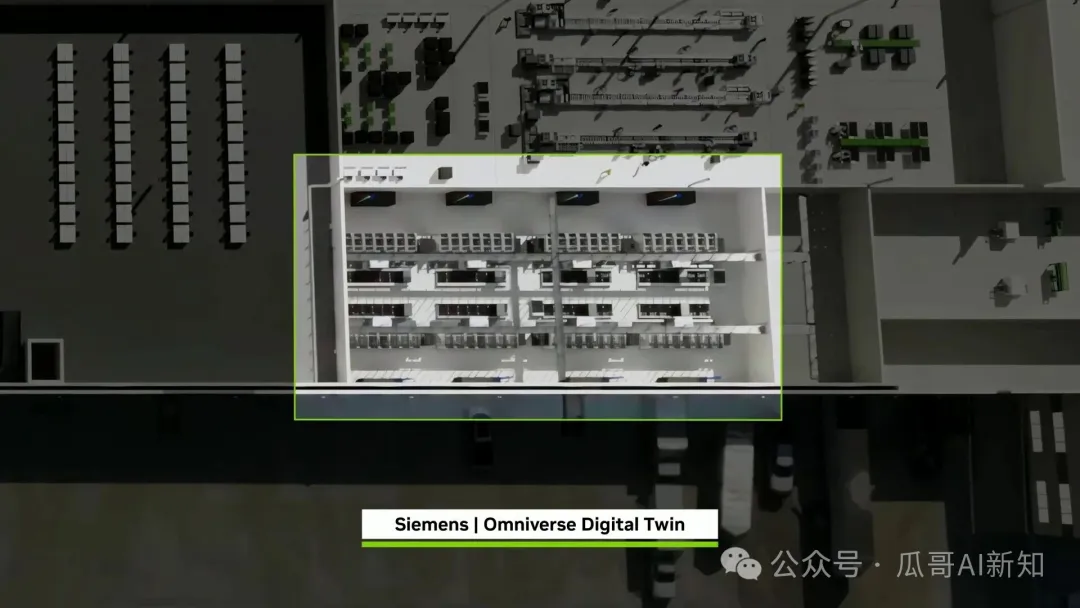
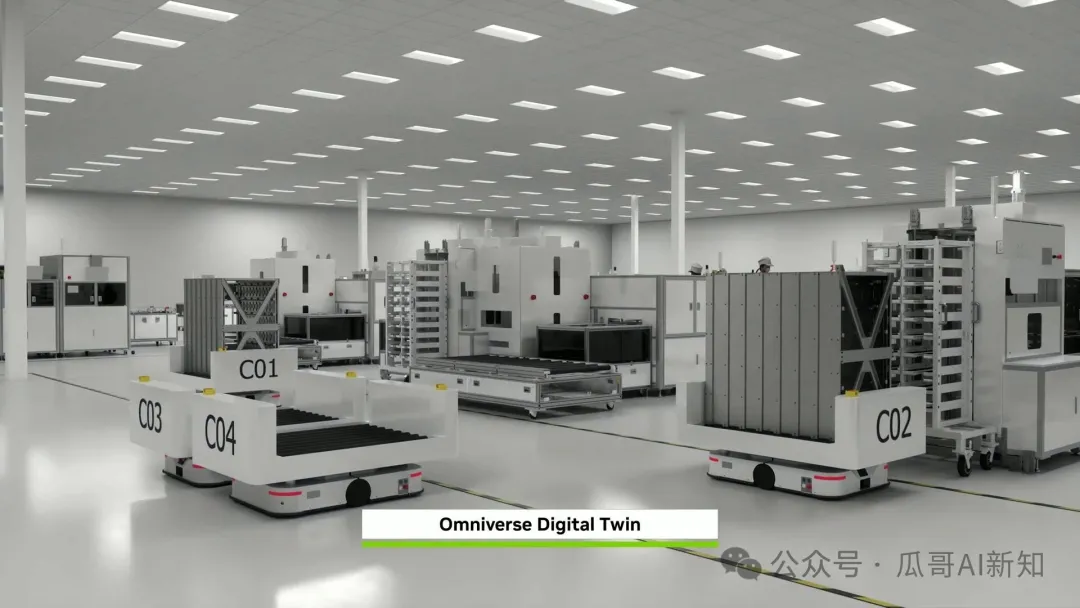
NVIDIA is collaborating with Foxconn to build a cutting-edge robot factory in Texas. Foxconn’s factory is born as a digital twin in Omniverse, utilizing Siemens solutions to construct a virtual factory before physical construction begins.
Foxconn Robot Factory Render
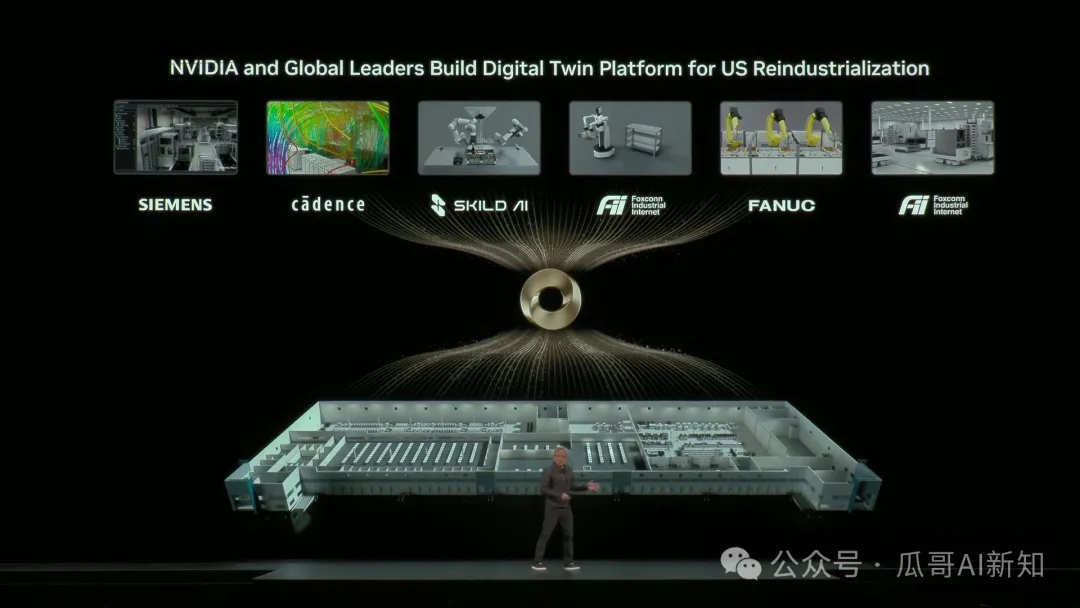
"The essence of a factory is a giant robot that commands countless robots to produce more robot products."
Siemens Omniverse Digital Twin Factory
DSX optimization is projected to create billions of dollars in additional annual revenue in states like Texas, Georgia, and Nevada.
Vision AI Agent Monitoring
AI Agent Training Employees
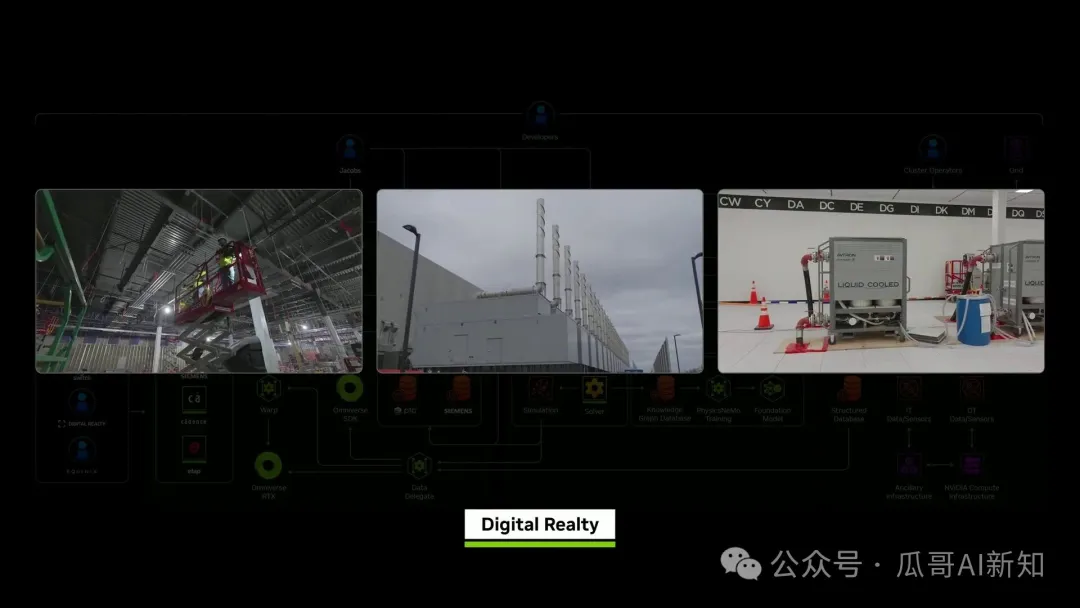
Digital Realty Data Center Interior
Empowering US AI Infrastructure & Cloud Giants
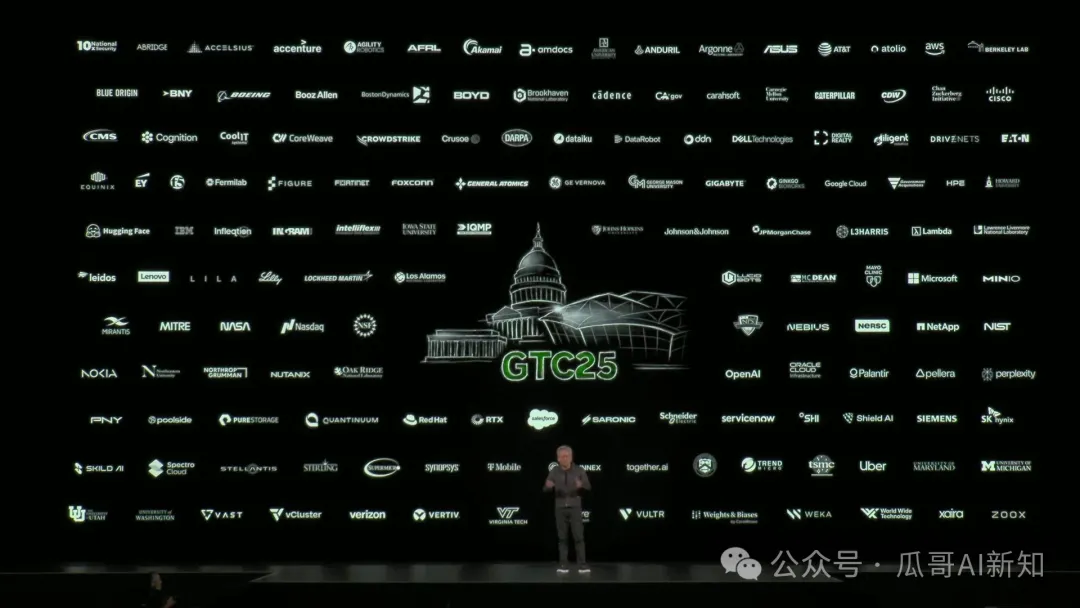
Morgan Stanley pointed out the strategic significance of GTC being held in Washington D.C., emphasizing its importance within the US ecosystem. NVIDIA is actively collaborating with US technology and industry leaders to build America's AI infrastructure.
Key Cloud & Tech Partners
- Alphabet|Google: Offering new A4X Max VMs equipped with GB300 NVL72, and G4 VMs featuring RTX PRO 6000 Blackwell GPUs.
- Microsoft: Utilizing RTX PRO 6000 Blackwell GPUs on Azure and deploying large-scale Azure clusters with GB300 NVL72 to support OpenAI.
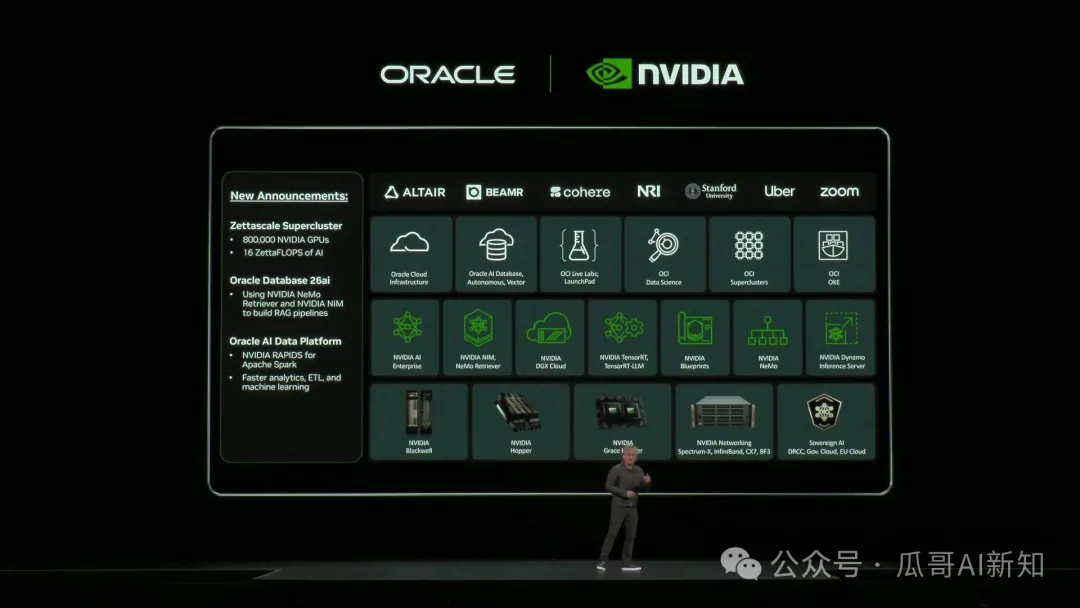
- Oracle: Launching OCI Zettascale10, powered entirely by NVIDIA AI infrastructure.
NVIDIA-Oracle Collaboration Diagram
- Lambda: Preparing to construct a new 100+ MW AI factory that will be equipped with over 10,000 GB300 NVL72 GPUs.
Accelerating US DOE Supercomputer Projects
NVIDIA is accelerating 7 new supercomputer projects, providing essential AI infrastructure for two key US Department of Energy (DOE) facilities: Argonne National Laboratory and Los Alamos National Laboratory.
The largest AI supercomputer project, named Solstice, will be equipped with a record-breaking 100,000 NVIDIA Blackwell GPUs. Furthermore, Los Alamos National Laboratory announced its selection of NVIDIA’s Vera Rubin platform for its next-generation Mission and Vision systems.
Summary & Market Outlook
Key Takeaways from GTC 2025
Jensen Huang consistently reiterated that the company's focus lies in the two major platform transformations: the shift from general computing to accelerated computing (driven by NVIDIA CUDA and the CUDA-X library suite), and the paradigm change from traditional hand-written software to the era of AI.
Key product and strategy highlights include:
- 6G Communication: New platforms like ARC for AI-RAN.
- Autonomous Driving: The Hyperion platform enabling RoboTaxi development.
- AI Factories: DGX SuperPOD and "super factories" dedicated to application AI.


