OpenAI DevDay 2025 Opening Keynote - From “Asking AI” to “Building with AI”
How did OpenAI turn software development from a months-long process into something you can build in minutes?


OpenAI DevDay 2025: From “Asking AI” to “Building with AI”
In San Francisco, Sam Altman stepped onto the DevDay 2025 stage and opened with a simple statement:
“AI is no longer something people just play with — it’s something they use to build every day.”
That sentence encapsulated the event’s central theme: OpenAI is shifting from a model company to a full‑stack AI development platform — compressing the software creation timeline down to minutes.
1. Platform Scale: The Age of Builders
On the massive screen behind Altman, a few numbers told the whole story: 4 million developers, 800 million weekly ChatGPT users, and 6 billion tokens processed per minute.
Just two years ago, those figures were 2 million, 100 million, and 300 million, respectively. The difference marks AI’s quiet leap from curiosity to infrastructure.
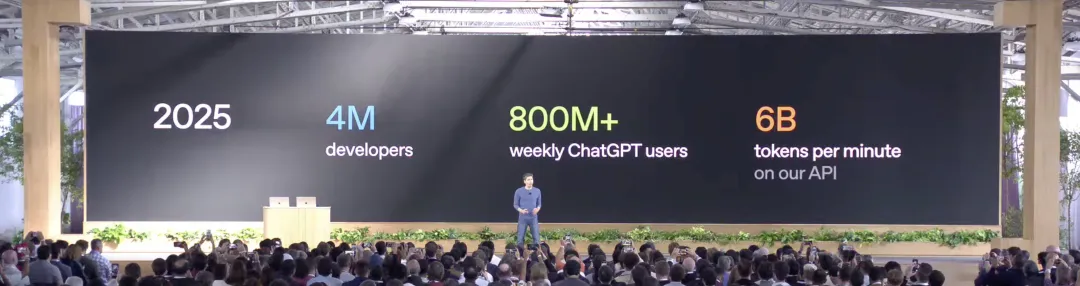
Source: OpenAI DevDay 2025
Altman honored developers worldwide who’ve processed between 10 billion and 1 trillion tokens, declaring, “You are the people driving the future forward.”
It wasn’t just ceremony — it was a shift in agency: the builders of tomorrow are those building with AI today.
2. Apps inside ChatGPT: Turning the Interface into a Platform
Perhaps the most transformative reveal was Apps inside ChatGPT.
Built on the open Model Context Protocol (MCP) standard, it allows developers to create native apps that live inside ChatGPT — making ChatGPT itself an operating system‑like environment.
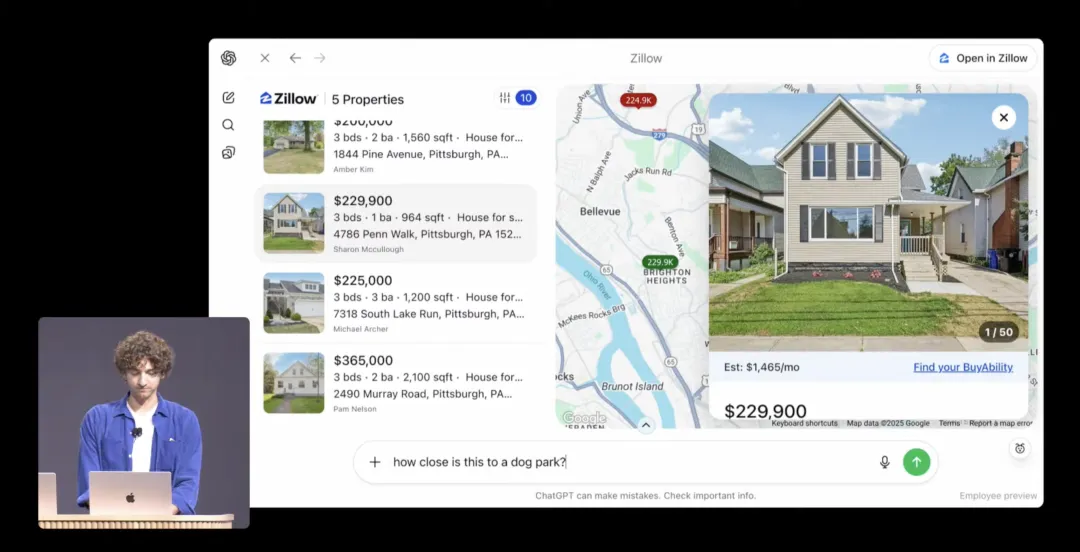
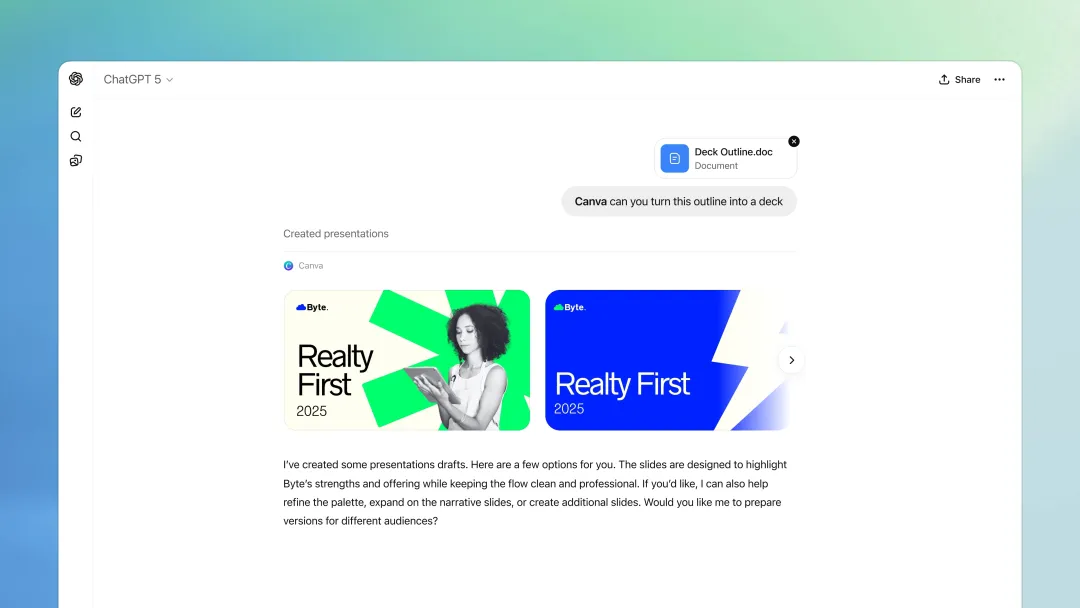
Through the new Apps SDK, developers can expose APIs, trigger actions, and render custom UIs directly within a conversation. Examples shown live included:
Zillow: displayed interactive map cards showing listings filtered by user needs, combining natural‑language queries with spatial filters.
Canva: instantly transformed a rough text outline into a startup pitch deck — all within chat.
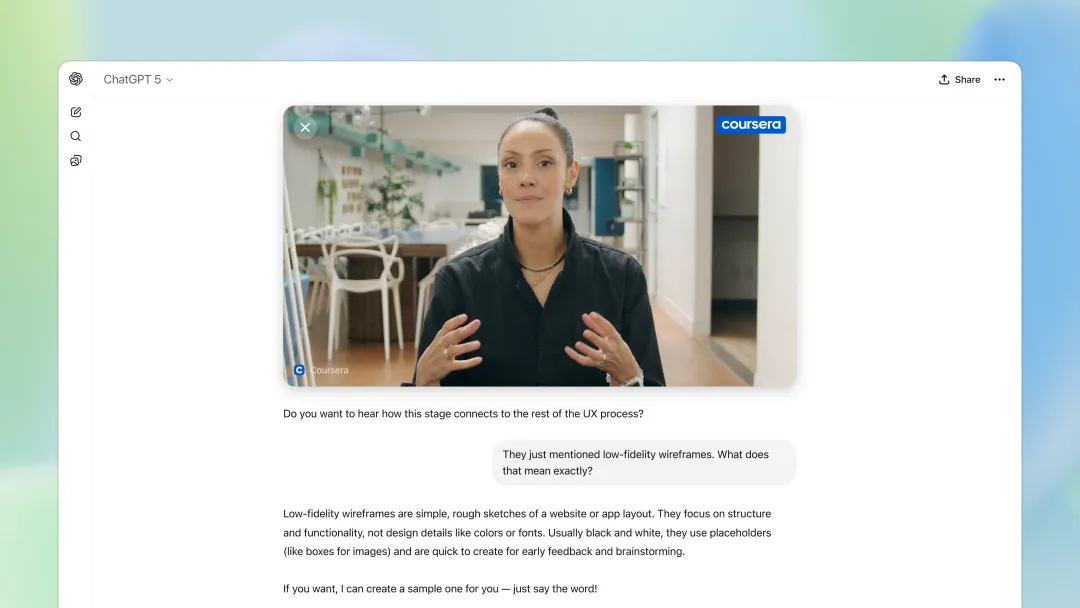
Coursera: the model “understood” the video context, letting users ask in‑line questions while watching.
Source: OpenAI DevDay 2025
This signals a paradigm shift: AI isn’t merely an API anymore — it’s becoming the product interface itself.
Apps SDK will also support in‑chat monetization via the upcoming Agentic Commerce Protocol and an app directory with approved listings later this year.
3. AgentKit: Turning Demos into Production
Altman called this release “the bridge from sandbox to production.”
AgentKit brings a full suite for enterprise‑grade agent deployment, including:
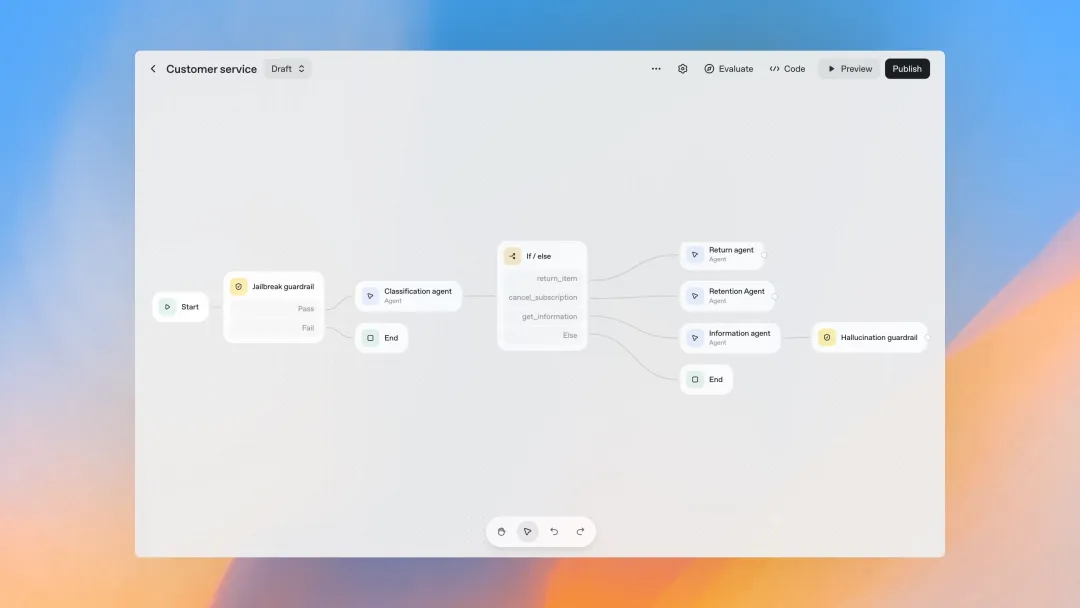
- Agent Builder: a visual workflow editor with versioning, guardrails, and integrated MCP tools;
- Evals for Agents: dataset grading, automated prompt optimization, third‑party evaluation;
- Connector Registry: unified connectors for Dropbox, Google Drive, SharePoint, and Teams within both ChatGPT and API flows.
Source: OpenAI DevDay 2025
In a live demo, Christina from OpenAI built and launched an event agent — “Ask Froge” — in under 8 minutes.
“What once took two weeks now takes eight minutes,” she said.
Enterprises are already proving the stack’s value:
Retailer Albertsons used AgentKit to analyze a sudden 32 % dip in ice‑cream sales, blending seasonal and historical data for actionable merchandising;
payments firm Ramp cut its procurement‑agent cycle time by 70 %, shipping in two sprints instead of two quarters.
4. Codex GA: AI as a Team Engineering Partner
Another major debut: Codex General Availability.
What began as an autocomplete companion has matured into OpenAI’s backbone for internal development.
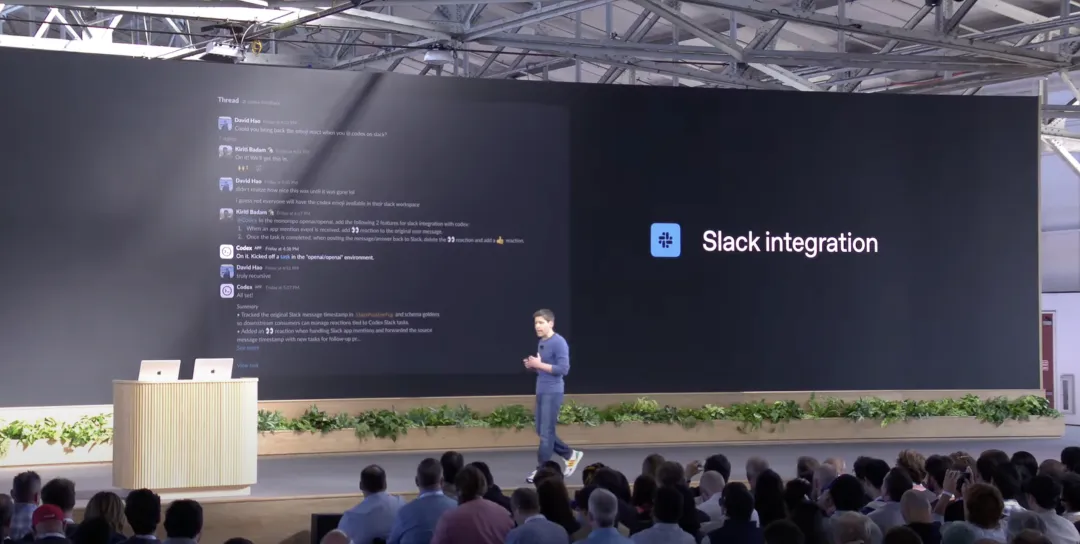
The new GPT‑5 Codex dynamically adjusts its “thinking time” based on task complexity and now supports enterprise analytics dashboards, audit controls, and deep Slack integration.
Source: OpenAI DevDay 2025
Data from OpenAI’s own usage is striking: engineers using Codex submit 70 % more PRs per week, with every pull request reviewed by the model itself; long refactors can run for up to 7 hours continuously.
On stage, Romain demonstrated Codex managing VISCA camera protocols, mapping Xbox controllers, and even rewriting React code live inside a voice‑driven session. These are no longer “prompts” — they are multi‑hour, context‑persistent engineering collaborations.
5. The Model & API Layer: Infrastructure for Builders
All of this sits atop an expanding foundation of APIs:
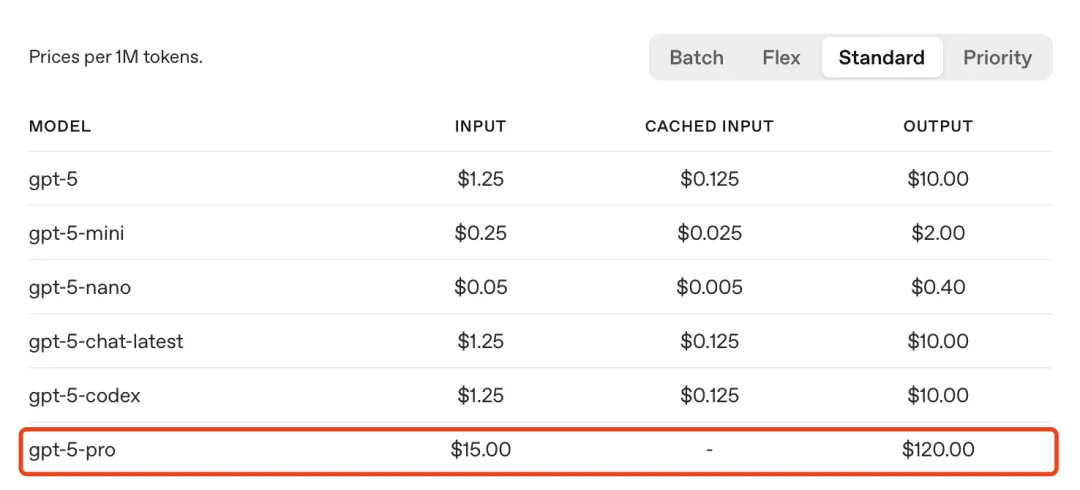
- GPT‑5 Pro: tailored for high‑precision reasoning in finance, law, and healthcare; supports 400 k context windows and outputs up to 272 k tokens.
- Sora 2 & Sora 2 Pro: video APIs with synchronized audio and controllable duration, aspect, and resolution. Pricing ranges from $0.10 per sec (720p) to higher tiers for Pro modes.
- GPT Realtime Mini: delivers a 70 % cost reduction while preserving expressive speech quality.
- GPT Image 1 Mini: ultra‑low‑cost image generation at $0.005 per image.
Altman summarized:
“We’re unifying every layer of the stack — models, agents, and apps — into one coherent environment.”
Whether you’re building an API, an agent, or a ChatGPT app, everything now lives on the same production surface.
6. Convergence: Compressing Time and Expanding Agency
Closing the keynote, Altman remarked simply, “The stack is converging.”
Standardized interfaces (MCP), evaluatable workflows, and in‑chat distribution are merging into a seamless developer platform.
If 2023’s OpenAI was about expanding AI’s frontiers of capability, 2025’s OpenAI is about redrawing the boundaries of software creation itself.
Today, one person, one idea, and just a few minutes can replace months of traditional development.
As models, tools, and distribution converge, building itself is becoming AI’s next killer app.
Source: OpenAI DevDay 2025 — Opening Keynote, San Francisco (Oct 7, 2025)
Images: © OpenAI, captured from event stream


